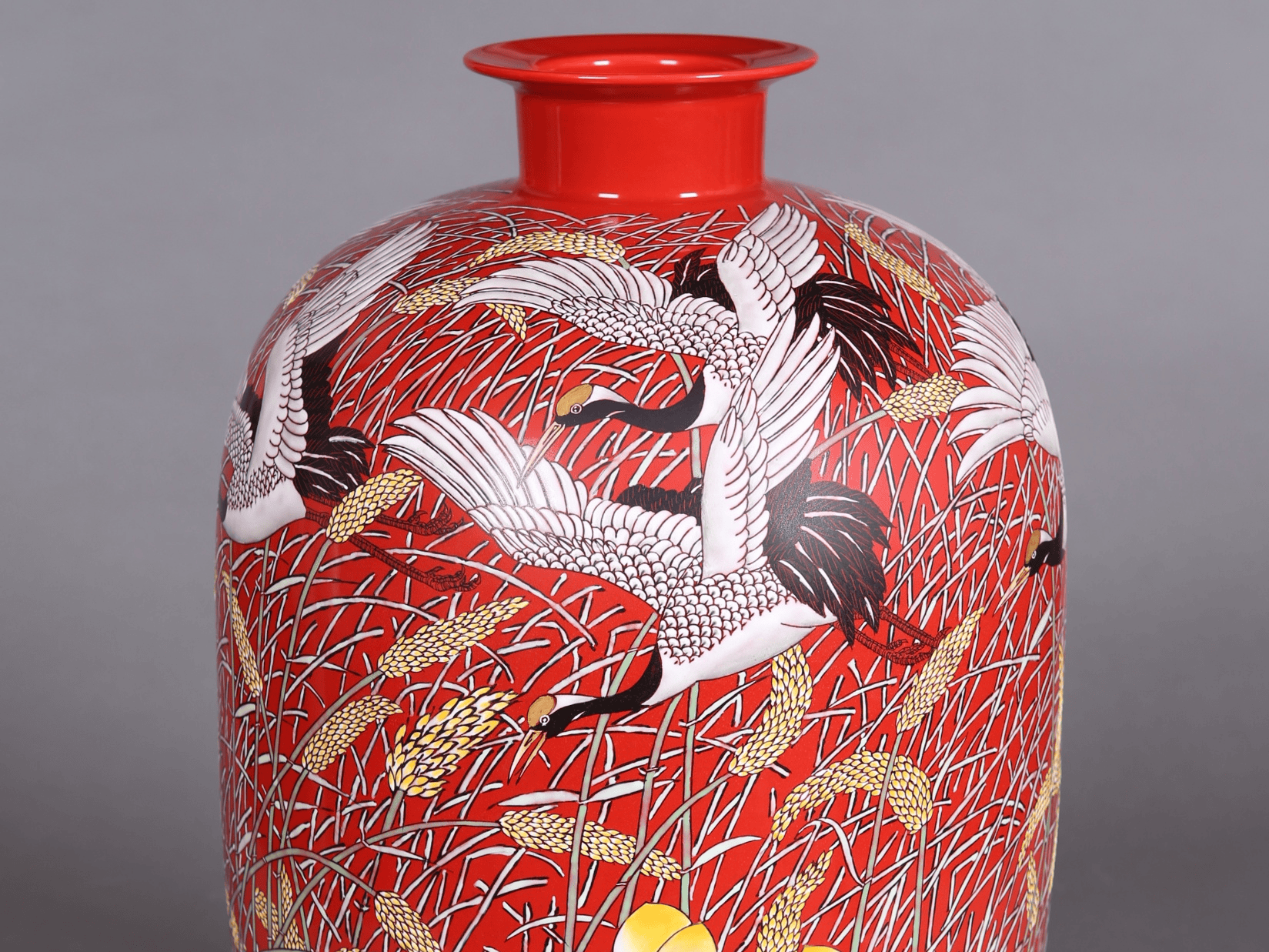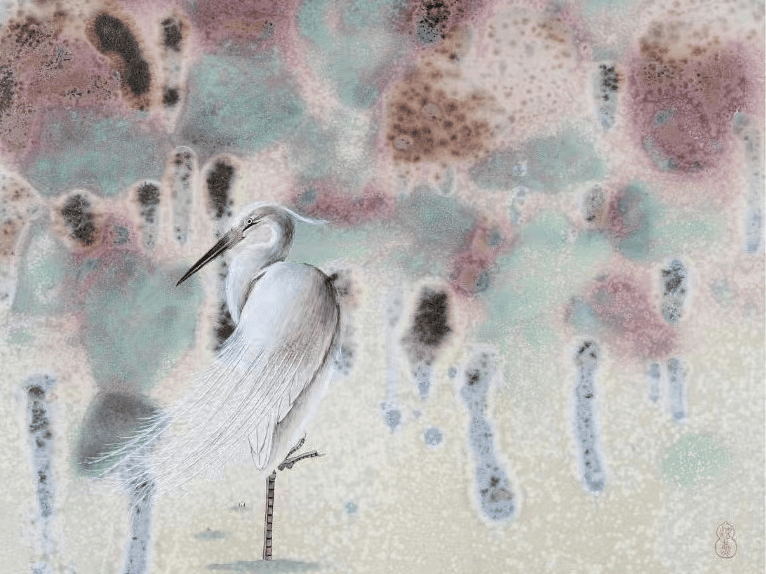
Stoneware statue embodies a distinguished discipline category with a extensive record, stretching back myriad of periods. From ancient containers to up-to-date installations, the matter offers unique possibilities for creative manifestation. Makers adopt diverse techniques – including forming, wheel manipulating, and advanced firing processes – to shape humble soil into aesthetic three-dimensional pieces. The resilience of fired terracotta also contributes to its status as a truly consequential part of human heritage.
Examining Stoneware Sign Compositions and Methods
The field of ceramic tablet design offers a ample array of resourceful possibilities. Artists often utilize a combination of conventional and current techniques to craft visually bold pieces. These can range from simple, hand-carved reliefs to complex, multi-layered layouts. Frequently used methods include template molding, sculpting by hand, the glaze process – which can involve multiple modes like underglaze painting, post-firing embellishment, and etched pattern where designs are unmasked by peeling off a layer of varnish. Extra analysis into overlay methods such as cold firing and shimmer glaze can bring about truly special and exclusive porcelain markers.
- Form Casting - Producing pieces using a shaped form
- Sculpting by hand - Directly shaping the terracotta
- Varnishing - Painting the overlay with a shiny finish
- Scratched design - Revealing designs by excavating shells
Absorbing Experiences: Clay Art Installations
The progressing landscape of design presents exciting innovative avenues for viewers, and ceramic art installations are at the apex of this revolution. These aren't just static pieces; they are designed to envelop the audience member in a sensory ambiance. Imagine stepping into a forest of towering, embellished ceramic trees, or navigating a complex of intricate ceramic vessels. Many producers are now incorporating acoustics, visuals, and even smell to enhance the impression of their work. Think about the power of a room filled with hundreds of expertly ceramic works, each telling a story. Traditionally, such installations examine themes of landscape, nostalgia, and humanity.
- The described installations blur the distinctions between figure and structure.
- Interacting with a ceramic art installation can be a deeply moving journey.
- Artists are redefining the limits of what is doable with clay.
A Splendor of the Clay Holder: Purpose and Form
The terracotta holder represents a wonderful combination of utility and artistic appeal. Historically, these receptacles served a minimalist role in supporting plants, but their transformation has transformed them into highly valued works of expression. Each work showcases the know-how of the builder, demonstrating how contour can be as noteworthy as utility. The attentive shaping, the unique glazes, and the entire presence of a masterfully-crafted container can upgrade a space, offering both allure and a understated reminder of the artisan’s hand.
Modern Earthenware Figure : Broadening Limits
Present-day terracotta design represents a fascinating evolution from conventional practices. Artisans are enthusiastically experimenting with different strategies, overlapping the borders between sculpture and various visual realms. From massive installations to complex miniature pieces, noted works probe themes of identity while at the same time revolutionizing the nature of what stoneware can become. The byproduct is a active sphere of expressive display.
Brick Badge: Preserving History in Clay
Ceramic plaques offer a unique method for documenting significant events and people. Unlike traditional metal or stone markers, these durable pieces of production are formed from treated clay, creating ceramic plaque a concrete link to the former times. Frequently, they display intricate reliefs or hand-painted imagery, telling stories that might otherwise be passed over. An technique, rooted in ancient folk, provides a captivating and durable way to celebrate our collective narrative.
- They can be established in collective spaces.
- Various are now regarded historical relics.
Brick Art Presentations: Remodeling Locations
Pottery art installations are flourishing a potent medium for craftsmen to reshape public and private environments. These immersive installations frequently involve massive clay forms that attract viewers, transforming their experience of the developed environment. By integrating diverse processes like hand-building and complicated firing approaches, ceramic artists create truly singular experiences, challenging the thresholds between craft and space. The impact is often a impactful modification that uplifts the aesthetic quality of the site and encourages discussion.
Origin Spin Tool to Miracle: The Process of the Porcelain Vase
The journey of a stoneware vase from a simple lump of mud to a finished work of mastery is a testament to human ingenuity. Previously, the process begins with the potter’s rotating tool, where the skilled artisan crafts the circling material into a cylindrical configuration. This first part demands precision and a sharp eye, followed by a delicate dehydration period. Once heat-treated, the holder is ready for decoration, which may consist of decorating intricate designs, cutting detailed vignettes, or incorporating a array of textures. The last cooking process then evolves the work into a durable and exquisite pot, a tangible expression of the builder's skill.
Forming with Clay: A Overview to Stoneware Project
Surveying the realm of earthenware expression begins with recognizing the basics of modeling with pottery. The aforementioned practice involves methodically assembling and carving stuff to generate three-dimensional objects. Whether you're a novice or a skilled artisan, exploring with multiple forms of porcelain – namely earthenware – will help you uncover your individual approach. In the end, clay working is a gratifying experience that integrates specialized competence with innovative manifestation.