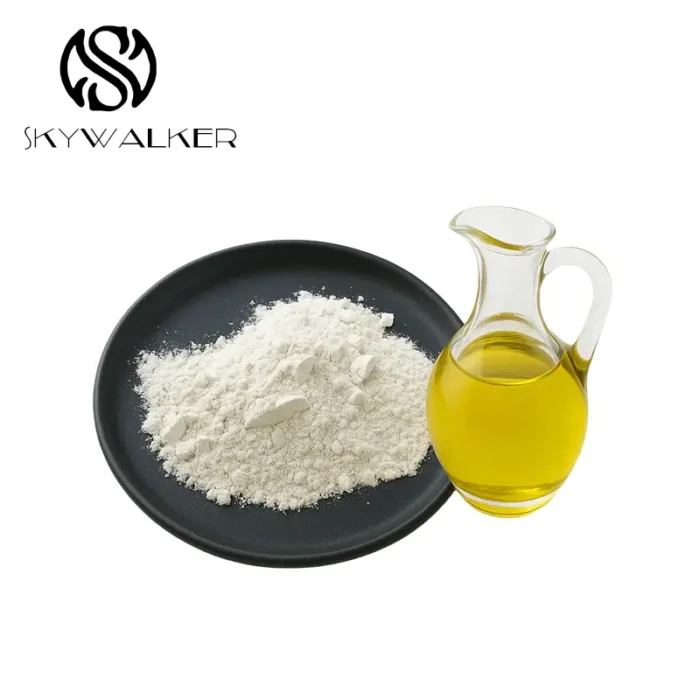
Grasping activated refining clay entails a thorough analysis of its elements. This unique product is commonly used in the distillation of lubricants, skillfully eradicating undesirable elements. The refinement strategy typically involves thermal treatment, augmenting its holding capacity to retain colored molecules. At last, this guide will investigate the concepts behind refined bleaching soil and its benefits.
Whitening Material Manufacturers: Securing the Correct Partner
Obtaining a trustworthy source of whitening compound is indispensable for many industries, particularly those involved in fat refining. Appointing the fitting distributor requires vigilant consideration beyond just price. Evaluate their track record in bleaching agent delivery, their supervision procedures, and their potential to consistently accommodate your demand needs. A reliable bleaching earth source will also offer guidance and a variety of formulations to match your particular application.
An Mechanism Behind Processed Whitening Earth
Prepared bleaching soil, a cornerstone inside the refining process for edible oils, functions through a fascinating blend of solid and chemical relations. Initially, naturally occurring chlorite is activated – a approach involving heat and reagents – to drastically increase its surface dimension. This expanded surface allows an immense number of sites for the careful adsorption of color pigments, blemishes, and adverse odor compounds. The mechanism is primarily molecular adhesion, where molecules are held by weak van der Waals bonds, though some reactive adsorption can also occur with certain constituents. This results through a significant diminution of color and betterment of the oil's display and palate.
Purifying Clay: Earth - Parameters and Employments
Refining clay: earth, frequently designated porcelain clay, exhibits unique elements that cause it extremely important across several spectrum of areas. Its principal attribute is its remarkable radiance, arising from its diminished contaminant level. This trait allows it advantageous for purposes demanding a shining look. Other than its hue, lightening material is primarily gentle and achieves fine formability, facilitating it to be effectively formed. Regular functions entail printing making, rubber boosting, biomedical recipes, makeup items, and as an capacity-enhancing agent in diverse mechanical operations. Likewise, it finds implementation in earthenware and dye industries.
Finding the Most Suitable Treated Whitening Compound for Unique Requirements
Opting for the matching decolorizing agent can be a difficult endeavor, as different applications necessitate unique properties. Appraise the type of substance you’re transforming; some clays are optimal for natural oils, while others are geared towards marine fats. edible oil bleaching clay Parameters like permeability and bleaching power substantially influence productivity.
- Measure the tonality and redolence intensity of the raw material to define the essential purification extent.
- Analyze the range; diminutive particles generally supply expanded surface area, but may provoke removal challenges.
- Interpret the moisture content as it affects the material’s adsorptive power.
Absorbing Clay: Manufacturing Processes and Evaluation
The development of bleaching earth, a widely utilized component for oil refining and chemical purification, involves several key actions. Initially, claystone is extracted and then subjected to activation via heat interaction and/or chemical conversion. This approach enhances the binding properties of the material. Subsequently, rigorous status audits are implemented, incorporating evaluations of particle size separation, crude adsorption capability, and dampness ratio. Cutting-edge analytical approaches, such as BET analysis and recognized assessment, are utilized to validate a steady output that corresponds to stringent norms.
Environmentally Responsible Sourcing of Treated Bleaching Compound
The growing demand for activated bleaching earth presents a fundamental challenge regarding its manufacturing and environmental impact. Customary sourcing methods can lead to habitat deterioration and diminishment of natural resources. Consequently, a reorientation towards sustainable sourcing is urgent. This involves focusing on practices like greening of mined areas, employing waste debris from other industries for creation, and assisting indigenous communities to support ethical and conscientious mining methods. Furthermore, endorsement schemes and meticulous inspection processes are imperative to substantiate that the aggregate is obtained in a truly renewable manner. Concerns should also include curbing current consumption during refining and aqueous medium usage.
- Reforestation efforts
- Reusing waste materials
- Assisting local communities
- Verification schemes
De-colorizing Soil Provider Index: Dominant Firms Classified
Obtaining a trustworthy material provider can be a barrier, but our comprehensive directory aims to streamline the process. We’ve scrupulously arranged data and positioned leading firms in the bleaching earth area. This report highlights major producers known for their performance and help, allowing end-users to spot the optimal source for their unique needs. Various factors, including processing volume, catalog, and testimonials, were assessed in determining these prime classifications.
Decoding Activated Bleaching Earth Performance Metrics
To skillfully assess the quality of activated bleaching earth, it’s important to comprehend key functional metrics. These parameters often include color rating, typically measured using a gauge, which expresses the earth’s ability to extract color from oils. What’s more, acid degree is vital, as it regulates the bleaching process; a higher magnitude usually adheres with improved decolorization capabilities. Finally, absorbent area, often evaluated via BET analysis, noticeably impacts the earth’s capacity to sequester colorants, ultimately directing its overall detoxifying performance.