
Your Acid Wash Hoodie Is Only as Good as the Fabric Under It — Here's What Actually Works
When a brand decides to develop a custom acid wash hoodie, the conversation usually starts with the wash pattern, the color contrast, or the overall vintage aesthetic. Many brand teams find out too late that the most critical decision isn't the chemical wash formula itself—it is the fabric sitting underneath it. On paper, a factory may look capable of executing a heavy distress finish, but if the base material lacks the structural integrity to survive the abrasive acid process, the final product will lose its silhouette, thin out prematurely, and feel underwhelming. What sounds like a simple sourcing question often turns into a nightmare of bulk inconsistency, where the approved sample looks incredible but the production run falls apart.
In the current streetwear landscape, consumers might not know the technical difference between 300GSM and 500GSM, but they can immediately feel when a washed garment lacks weight and drape. The aesthetic demands of modern streetwear—oversized proportions, structured hoods, and heavily textured finishes—require a manufacturing approach that treats fabric selection as the foundation of the design. This means procurement teams and creative directors must look beyond generic base garments and partner with a streetwear manufacturer that understands how aggressive wash techniques interact with different cotton blends, fleece weights, and knit structures over time.
Why Does Fabric Choice Dictate the Success of an Acid Wash Finish?
The success of an acid wash finish depends entirely on the fabric's ability to absorb reactive chemicals evenly while maintaining its structural integrity. Heavyweight 100% cotton (400GSM–600GSM) works best because natural fibers react predictably to the oxidizing agents, creating that signature high-contrast marbling without destroying the garment's drape or causing excessive thinning.
A common misconception in streetwear product development is that any hoodie can be acid washed if you just apply the right technique. In reality, the acid wash process—which involves tumbling the garments with pumice stones soaked in a bleaching agent—is inherently destructive. It strips away the top layer of dye and physically abrades the fabric surface. If you start with a lightweight or highly synthetic blend, the chemicals will either fail to strip the color evenly or eat through the material, resulting in weak seams, distorted fits, and an unwearable final product.
This is why experienced streetwear brands prioritize fabric weight and composition before even discussing the wash intensity. A 500GSM French terry or brushed fleece provides enough "meat" for the stones to work against. The heavier the fabric, the deeper the contrast can be pushed without compromising the hoodie's boxy or oversized silhouette. When brands try to cut costs by using 280GSM or high-polyester blends, the wash sits flat on the surface, and the garment loses the substantial, structured feel that defines premium streetwear.
Which Cotton Blends Perform Best Under Abrasive Wash Conditions?
For a custom acid wash hoodie, 100% heavyweight cotton is the gold standard, followed closely by high-cotton blends containing at least 80% cotton. Natural cotton fibers absorb dyes deeply and release them predictably during the acid wash process, resulting in the authentic, textured fade that premium streetwear brands demand.
When evaluating options with a custom streetwear clothing manufacturer, the conversation must center on fiber content. The acid wash reaction relies on the chemical breakdown of specific dyes, usually reactive or sulfur dyes, which bond beautifully with natural cotton. 100% cotton French terry or fleece allows the bleach-soaked stones to strip the color away from the high points of the garment—like the hood edges, pocket seams, and shoulders—while leaving the darker dye intact in the crevices. This creates the three-dimensional, vintage depth that makes an acid wash piece look expensive.
Introducing polyester into the mix changes the math entirely. Polyester is essentially plastic; it does not absorb traditional cotton dyes in the same way, nor does it react to the bleach used in the acid wash process. If a brand attempts to acid wash a 50% cotton / 50% polyester blend, the result is often a muddy, muted finish rather than a sharp, high-contrast marble. The cotton fibers lose their color, but the polyester fibers retain it, creating a heathered look that reads as mass-produced rather than custom developed streetwear. While a small percentage of polyester (10-20%) can be used to add durability or reduce shrinkage in heavy fleece, crossing that threshold will actively fight against the desired wash effect.
How Does Fabric Weight (GSM) Affect the Final Silhouette and Wash Depth?
Fabric weight, measured in GSM (Grams per Square Meter), directly controls both the depth of the acid wash and the final silhouette of the hoodie. A heavyweight fabric between 400GSM and 600GSM is optimal because it can withstand the physical abrasion of the wash while retaining the structured, oversized drape essential to streetwear aesthetics.
The relationship between GSM and wash intensity is one of the most critical factors in streetwear manufacturing. When a garment undergoes an acid wash, it loses a fraction of its weight due to the abrasive action of the pumice stones and the chemical breakdown of the fibers. If a brand starts with a 320GSM hoodie, the final washed piece might feel closer to 280GSM. It will become limp, the hood will flop flat against the back, and the oversized shoulders will droop rather than hold their intended boxy shape.
To achieve the exaggerated, architectural fits seen in modern streetwear collections, brands must build in a buffer. Starting with a 500GSM brushed fleece ensures that even after a heavy, aggressive acid wash, the hoodie still feels substantial and luxurious. The thickness of the fabric also allows for a more dynamic wash result. The thick ridges of a heavyweight French terry loop or the dense surface of a brushed fleece provide more topography for the stones to hit. This creates a starker contrast between the faded high points and the dark, saturated low points, giving the piece that instant visual age and character that cannot be faked with a lightweight fabric.
Why Do Samples Often Look Different Than Bulk Production in Washed Programs?
Sample-to-bulk inconsistency in acid wash programs usually stems from fabric batch variations, differing shrinkage rates, and the unpredictable nature of chemical washing at scale. To mitigate this, brands must ensure their manufacturing partner uses the exact same fabric roll and pre-shrinking protocols for both the sample and the full production run.
One of the most painful lessons for independent brands with real traction is discovering that their beautifully faded, perfectly proportioned sample hoodie looks nothing like the 500 pieces that arrive in the bulk shipment. Acid washing is not like screen printing; it is not a digital process that can be perfectly replicated with a click. It is an organic, chemical reaction that is highly sensitive to the specific dye lot, the exact composition of the fabric, and the volume of garments in the industrial washing machines.
When evaluating an industry comparison of specialized , procurement teams must ask hard questions about how the factory controls consistency. A common failure point occurs when a factory uses available yardage for the sample, but sources a slightly different fabric batch for the bulk order. Even a 5% difference in cotton composition or a slight change in the base dye can cause the acid wash to react differently, resulting in a completely different color tone or contrast level. Furthermore, heavy washing causes significant shrinkage. If the factory does not rigorously calculate and apply the correct shrinkage tolerances to the bulk patterns, the entire size grading will be thrown off, turning an intended oversized large into a standard medium.
What Should Procurement Teams Look For in a Streetwear Production Partner?
Procurement teams should look for a streetwear production partner that demonstrates deep expertise in custom fabric sourcing, precise shrinkage calculation, and controlled wash testing. The ideal partner will proactively flag design risks, suggest appropriate GSM weights, and have proven systems for maintaining sample-to-bulk consistency in complex finishing programs.
As brands mature and their product demands become more sophisticated, the criteria for selecting a factory must evolve. It is no longer enough to find a supplier who can simply sew a hoodie together; the partner must understand the technical requirements of the aesthetic. When developing an acid wash program, a generic apparel factory will often accept a tech pack without question, execute the wash on whatever fabric costs the least, and ship a subpar product. A specialized will immediately review the tech pack and ask critical questions about the desired hand-feel, the required GSM, and the acceptable variance in the wash pattern.
Some manufacturers, such as Groovecolor, focus specifically on heavyweight fabrics and complex finishing techniques rather than basic apparel categories. This specialization is crucial because managing an acid wash program requires a dedicated workflow. It requires testing the wash on multiple fabric swatches before cutting the sample, adjusting the pattern grading to account for the specific shrinkage rate of that exact fabric batch, and establishing clear visual tolerance standards for the bulk run. Brands with validated market demand cannot afford the risk of inconsistent drops; they need a manufacturing system built around pre-scale product validation and rigorous bulk control.
How Do Additional Techniques Like Embroidery and Print Interact With Acid Wash?
When combining acid wash with other techniques, the wash must typically be completed before applying prints or embroidery to prevent the chemicals from destroying the graphics or threads. However, this requires precise fabric tension control, as the wash process alters the garment's dimensions, making subsequent graphic placement highly challenging.
Modern streetwear rarely relies on a single technique. A custom acid wash hoodie is often just the canvas for distressed appliqué, puff prints, or heavy embroidery that adds dimension to otherwise flat graphics. The challenge lies in the sequence of operations. If a factory screen prints a graphic and then subjects the hoodie to an acid wash, the bleach and stones will likely crack, fade, or completely ruin the print.
Therefore, the standard procedure is to cut, sew, and wash the garment first, and then apply the secondary decorations. This is where the true technical capability of a streetwear manufacturer is tested. Because the acid wash process shrinks and slightly distorts the fabric, the factory must ensure that the washed panels still align perfectly for precise print or embroidery placement. If the fabric weight was too light, the washed hoodie will be warped, making it impossible to register a large chest graphic cleanly. Heavyweight, stable fabrics (like a dense 500GSM cotton) hold their shape much better through the wash, providing a reliable, flat surface for complex post-wash detailing. This synergy between fabric stability, wash execution, and final decoration is what separates premium streetwear from basic merchandise.
Why is Pre-Shrinkage Treatment Essential for Heavyweight Cotton?
Pre-shrinkage treatment is absolutely essential for heavyweight cotton acid wash hoodies because the aggressive washing process can cause untreated fabric to shrink by up to 10%, completely altering the intended fit. By washing the fabric rolls before cutting, or by calculating precise shrinkage tolerances into the pattern, manufacturers ensure the final oversized silhouette remains accurate.
A recurring issue for independent brands with real traction is receiving a bulk order where the hoodies fit a full size smaller than the approved sample. This happens when a factory fails to account for the extreme shrinkage caused by the acid wash process. Heavyweight cotton, especially in the 400GSM to 600GSM range, is highly susceptible to dimensional changes when exposed to hot water, tumbling, and chemical agents. If the fabric is cut and sewn directly from the roll without any pre-treatment, the final acid wash will aggressively pull the fibers together, resulting in a tight, distorted garment that loses the relaxed, boxy drape characteristic of modern streetwear.
To prevent this, experienced streetwear production partners implement rigorous shrinkage testing before any bulk cutting begins. They will cut a 50cm by 50cm square of the specific fabric batch, subject it to the exact acid wash formula planned for production, and measure the dimensional change. If the fabric shrinks by 6% in length and 4% in width, the pattern maker must mathematically adjust the tech pack's grading to build in that exact buffer. Alternatively, the factory may choose to pre-wash the entire fabric roll before cutting, stabilizing the fibers so the final garment wash only affects the color and texture, not the size. This level of technical control is what separates premium custom development from basic apparel manufacturing.
How Does the Acid Wash Process Impact the Durability of Seams and Trims?
The abrasive nature of acid washing significantly impacts the durability of seams and trims, requiring reinforced stitching, heavy-duty threads, and high-quality hardware. If standard construction methods are used, the pumice stones and bleach will weaken the seams, causing premature fraying, broken zippers, and degraded drawstrings.
When designing a custom acid wash hoodie, creative teams often focus entirely on the visual outcome, overlooking the mechanical stress the garment will endure during production. The acid wash process is not gentle. Garments are loaded into massive industrial washing machines along with pumice stones soaked in a bleaching solution, then tumbled for extended periods. This physical abrasion is what creates the desirable faded highs and dark lows, but it also relentlessly attacks every seam, zipper, and eyelet on the hoodie.
If a factory uses standard, lightweight polyester thread to sew a 500GSM cotton hoodie, the acid wash will likely compromise the stitching. The stones will abrade the thread, leading to blown-out armholes or unraveled kangaroo pockets before the garment even reaches the consumer. To survive this process, must use heavy-duty, thick cotton-wrapped poly-core threads and employ reinforced stitching techniques like double-needle coverstitching on all critical stress points. Furthermore, any hardware—such as zippers, metal eyelets, or drawstrings—must be specifically selected to withstand chemical oxidation. Low-grade metal trims will rust or discolor when exposed to the bleach, ruining the aesthetic. This is why developing a washed program requires a holistic approach to construction, not just a focus on the fabric itself.
What Are the Long-Term Sourcing Strategies for Acid Wash Programs?
Long-term sourcing strategies for acid wash programs require brands to establish deep partnerships with specialized streetwear manufacturers capable of securing consistent fabric batches and maintaining strict wash formulas over time. This ensures that a successful drop can be reliably replenished without unexpected variations in weight, color, or fit.
As streetwear brands scale their operations, the ability to reliably restock a popular item becomes a critical driver of revenue. However, scaling an acid wash program is notoriously difficult because of the inherent variability in the washing process. If a brand simply jumps from one factory to another based on the lowest quote, they will inevitably face catastrophic inconsistencies. A hoodie produced in March might have a deep, high-contrast marble effect on a 450GSM French terry, while the "same" hoodie produced by a different supplier in September might look flat, muddy, and feel significantly lighter.
Established streetwear brands understand that they are not just buying a product; they are investing in a repeatable manufacturing system. They build long-term relationships with factories that have dedicated wash houses and strong ties to premium fabric mills. This allows the manufacturer to reserve specific cotton yarns and secure consistent dye lots, ensuring the base fabric reacts predictably to the acid wash every single time. Moreover, a dedicated partner will document the exact chemical formula, water temperature, stone ratio, and tumbling time used for the approved sample, creating a precise standard operating procedure for all future bulk runs. This level of operational maturity is essential for brands with validated market demand, allowing them to expand their collections without sacrificing the tactile and visual quality that their customers expect.
Conclusion: The Foundation of Premium Streetwear Lies in Fabric and Execution
Developing a custom acid wash hoodie is a complex intersection of creative vision and technical manufacturing. It is not merely a matter of applying a chemical treatment to a generic base garment; it requires a deep understanding of how heavyweight cotton, structural integrity, and abrasive finishing techniques interact. From selecting the optimal 500GSM French terry to engineering precise shrinkage tolerances and reinforced construction, every decision impacts the final product's silhouette, hand-feel, and longevity.
For streetwear brands with proven sales, the challenge is no longer just creating a compelling design—it is building a supply chain capable of executing that design consistently at scale. Partnering with a specialized manufacturer that understands the nuances of custom development, fabric sourcing, and bulk wash control is the only reliable way to navigate the risks of production. Ultimately, the best fabric for an acid wash hoodie is one that has been deliberately chosen, rigorously tested, and expertly handled by a team that speaks the language of premium streetwear.
Why Established Brands Compare China Streetwear Manufacturers with Local Factories Differently Now?
Many brand teams find out too late that a factory’s location does not guarantee its capability to execute complex streetwear. On paper, a local supplier may look like the safest choice for speed and communication, while an overseas partner might seem like a pure cost-saving play. But for established streetwear brands, this traditional sourcing logic is breaking down. What sounds like a simple sourcing question often turns into a costly lesson in sample-to-bulk consistency, fabric weight control, and specialized finishing techniques.
The reality of modern streetwear production is that the market has shifted away from basic logo tees and standard hoodies. Consumers now demand heavier fabrics, intricate acid washes, precise oversized silhouettes, and mixed-media decorations that require a highly coordinated supply chain. When independent brands with real traction evaluate their production partners, they are no longer just comparing shipping times and unit prices. They are comparing which factory actually understands the cultural and technical nuances of streetwear, and which one can repeatedly deliver that aesthetic at scale without losing the intended fit or feel.
Why Does the Definition of a "Good" Factory Change for Streetwear?
For established streetwear brands, a good factory is not just one that can sew garments, but one that understands the specific visual identity, fabric weight, and complex finishing techniques required in modern streetwear. General apparel factories often fail because they treat streetwear like basic casualwear, missing the crucial details in oversized fits, wash textures, and graphic placements.
When procurement teams begin comparing a China streetwear factory with a local supplier, the first realization is usually about specialization. Streetwear is not just another category of clothing; it has its own set of rules. A factory that excels at making corporate uniforms or basic activewear will often struggle with a 400gsm French terry hoodie that requires a specific vintage wash and a distressed hem. The technical requirements for streetwear have escalated significantly. Brands are now asking for enzyme washes, puff prints, rhinestones, and custom cut-and-sew panels all on the same garment.
This complexity means that the evaluation criteria must change. A local factory might offer the advantage of being in the same time zone, allowing for quick studio visits and faster initial sampling. However, if that local factory has to outsource the acid wash to one facility, the embroidery to another, and the custom dyeing to a third, the risk of inconsistency skyrockets. In contrast, specialized streetwear manufacturers in regions like Dongguan or Guangzhou often have these capabilities integrated within a tighter ecosystem. The decision, therefore, shifts from "where is the factory located?" to "how much of the streetwear production process do they actually control?"
The shift in consumer expectations has forced brands to re-evaluate their entire supply chain. A decade ago, a brand might have succeeded by printing a bold graphic on a standard blank tee. Today, the tactile experience of the garment—the drape of the shoulder, the stiffness of the collar ribbing, the exact fade of the pigment dye—is just as important as the visual design. This means that the manufacturer must be a true partner in product development, not just an order taker. They need to understand why a specific wash is necessary to achieve a vintage aesthetic, and they must have the technical expertise to execute that wash consistently across thousands of units.
Furthermore, the cultural context of streetwear cannot be ignored. A factory that doesn't understand the nuances of skate culture, hip-hop aesthetics, or Y2K nostalgia will struggle to produce garments that resonate with the target audience. They might get the technical specifications right, but the "feel" of the garment will be off. This is why established brands are increasingly seeking out manufacturers who specialize exclusively in streetwear, rather than generalists who try to do a little bit of everything.
How Do Local Factories and Chinese Manufacturers Differ in Sample-to-Bulk Consistency?
The biggest difference in sample-to-bulk consistency is that specialized Chinese streetwear manufacturers often have the infrastructure to scale complex techniques reliably, whereas local factories may struggle to maintain consistency when moving from a small sample run to a larger bulk order involving multiple specialized processes.
One of the most common challenges sourcing teams face is the gap between a beautiful sample and a disappointing bulk delivery. A local factory might produce an incredible prototype because the sample room technicians gave it their undivided attention. But when that same complex design—perhaps a boxy-fit hoodie with a cracked screen print and raw edges—moves to the main sewing floor, the lack of standardized bulk-ready systems can lead to variations in sizing, print placement, and wash intensity.
On the other hand, an experienced streetwear clothing manufacturer in China is typically built around repeatable execution. These factories are accustomed to handling larger volumes of technically demanding garments. They have established protocols for tech pack reviews, fabric pre-shrinking, and in-line quality control specifically tailored for streetwear. For instance, they know that an oversized fit isn't just about grading up a standard pattern; it requires rebalancing the shoulder drop and sleeve volume. When established brands evaluate these partners, they are looking for this level of production discipline. They need to know that the 500th piece off the line will look and feel exactly like the approved pre-production sample.
The challenge of sample-to-bulk consistency is particularly acute when dealing with complex finishing techniques. Consider the process of creating a heavily distressed, acid-washed denim jacket. In the sample room, a skilled technician might spend hours carefully applying the acid wash and manually distressing the edges to achieve the perfect vintage look. But when that jacket goes into bulk production, the factory must find a way to replicate that exact look across hundreds or thousands of units, using industrial washing machines and standardized distressing protocols.
This is where the operational maturity of the manufacturer becomes critical. A specialized factory will have detailed standard operating procedures (SOPs) for every step of the process, from the exact temperature and duration of the acid wash to the specific tools and techniques used for distressing. They will also have rigorous quality control checkpoints throughout the production line to catch any deviations from the approved sample. In contrast, a less experienced factory might rely too heavily on the individual skill of the workers, leading to significant variations in the final product.
What Are the Hidden Risks When Comparing Quotes from Different Regions?
When comparing quotes, the hidden risk is that a lower price often assumes lighter fabrics, simpler construction, and less rigorous quality control. Brands must ensure they are comparing identical specifications, as a cheap quote from a general factory can lead to expensive downstream problems like inconsistent sizing or poor wash execution.
It is a common misconception that sourcing from China is purely about finding the lowest price. While cost efficiency is a factor, established streetwear brands know that the cheapest quote is rarely the best value. When a procurement team receives a quote from a local supplier and one from an overseas partner, they must look beyond the bottom line. A local factory might quote a higher price but offer faster turnaround times for replenishment. However, if their quote assumes a standard 250gsm fleece instead of the requested 400gsm heavyweight cotton, the comparison is flawed.
Similarly, some manufacturers, such as Groovecolor, focus specifically on heavyweight fabrics and complex finishing techniques used in modern streetwear collections. When comparing a specialized partner like this against a general apparel factory, the quote might reflect the added cost of rigorous wash testing and custom trim sourcing. The true cost of production includes the time spent managing the supplier, the risk of delayed launches due to rework, and the potential damage to brand reputation if the final product feels cheap. Therefore, mature brands evaluate quotes based on the total value of reliable execution rather than just the unit cost.
Another hidden risk in quote comparison is the assumption of standard tolerances. In general apparel manufacturing, a certain degree of variation in sizing or color is often considered acceptable. But in premium streetwear, where the exact drape of an oversized tee or the precise placement of a graphic is critical to the design, those standard tolerances are often too loose. A specialized streetwear manufacturer will typically build tighter tolerances into their pricing, reflecting the additional time and effort required to maintain strict quality control.
Brands must also consider the cost of communication and project management. Working with a local factory might seem easier because of the shared time zone and language, but if that factory lacks experience with complex streetwear techniques, the brand's product development team may end up spending countless hours explaining the nuances of the design and troubleshooting production issues. Conversely, an experienced overseas manufacturer might require more effort to manage across time zones, but their deep understanding of streetwear production can ultimately save the brand time and money by reducing the need for constant oversight and rework.
Why Is Supply Chain Depth Crucial for Complex Streetwear Development?
Supply chain depth is crucial because modern streetwear requires a wide variety of custom fabrics, specialized trims, and advanced finishing techniques. A manufacturer with deep local supply chain connections can source and integrate these elements faster and more reliably than a factory operating in an isolated ecosystem.
The development of a premium streetwear collection often involves sourcing materials that are not readily available off the shelf. A brand might need a specific shade of garment-dyed heavy cotton, custom-molded zippers, and high-density embroidery threads. This is where the depth of the regional supply chain becomes a deciding factor. In major manufacturing hubs in China, the proximity of fabric mills, dye houses, and trim suppliers creates a highly efficient ecosystem. A specialized custom can quickly source, test, and iterate on these components without significant delays.
In contrast, a local factory in the US or Europe might have excellent cut-and-sew capabilities but lack immediate access to this diverse material network. If they have to import the custom fabrics and trims before they can even begin production, the lead time advantage of being local quickly diminishes. For brands with validated market demand, the ability to execute complex designs without being bottlenecked by material sourcing is a major competitive advantage. This is why many independent brands with real traction ultimately choose partners who are embedded in deep, specialized supply chains, ensuring that their creative vision is not compromised by logistical limitations.
The importance of supply chain depth extends beyond just sourcing materials; it also encompasses the availability of specialized subcontractors. As mentioned earlier, modern streetwear often involves multiple complex finishing techniques, such as screen printing, embroidery, appliqué, and various types of washes. While some large manufacturers might have all of these capabilities in-house, many rely on a network of specialized subcontractors.
In a deep supply chain ecosystem like those found in certain regions of China, a manufacturer can easily coordinate with these subcontractors, ensuring that each step of the process is executed by experts. They can send the garment panels to a specialized print shop for a high-density puff print, then to an embroidery facility for intricate detailing, and finally to a wash house for a custom enzyme wash, all within a tight geographic radius. This level of coordination is much more difficult to achieve in regions with shallower supply chains, where the manufacturer might have to ship the garments across the country or even internationally to access the necessary specialized services.
How Do Brands Evaluate the Technical Capabilities of a Streetwear Manufacturer?
Brands evaluate technical capabilities by looking beyond the factory's portfolio and examining their specific processes for handling heavyweight fabrics, complex washes, and intricate decorations. They assess the manufacturer's ability to proactively identify design risks, their understanding of streetwear-specific fits, and their protocols for maintaining consistency across different production runs.
When established streetwear brands evaluate potential manufacturing partners, they don't just look at the finished products in the factory's showroom. They dig deep into the technical processes that created those products. They want to know how the factory handles the unique challenges of streetwear production, such as the shrinkage issues associated with heavyweight cotton or the potential for color bleeding in complex garment washes.
One key area of evaluation is the factory's approach to tech pack review. A strong partner will not simply accept a tech pack and start cutting fabric. Instead, they will carefully analyze the design, looking for potential production risks and suggesting improvements. For example, if a brand requests a large, heavy embroidery on a relatively lightweight fabric, an experienced manufacturer will flag the risk of puckering and suggest either using a heavier fabric or adding a stabilizer to the embroidery. This proactive approach to problem-solving is a hallmark of a truly capable streetwear manufacturer.
Another critical factor is the factory's understanding of streetwear-specific fits. As discussed earlier, an oversized fit is not just a larger version of a standard fit; it requires a fundamentally different approach to pattern making. Brands will often ask the manufacturer to produce a sample of a complex silhouette, such as a boxy, cropped hoodie with dropped shoulders, to assess their pattern-making skills. They will look closely at the balance of the garment, the drape of the fabric, and the execution of the specific design details.
Finally, brands evaluate the manufacturer's protocols for maintaining consistency. They want to know how the factory ensures that the wash intensity, print placement, and sizing remain consistent across different production runs and even across different sizes within the same run. This involves examining the factory's quality control procedures, their use of standardized templates and jigs, and their approach to training and managing their workforce.
What Role Does Communication Play in Managing Complex Streetwear Production?
Communication is critical in managing complex streetwear production because it bridges the gap between the brand's creative vision and the factory's technical execution. Effective communication involves clear, detailed tech packs, regular progress updates, and a shared understanding of the specific aesthetic and quality standards required for premium streetwear.
The relationship between a streetwear brand and its manufacturer is fundamentally a collaborative one. The brand provides the creative vision, and the manufacturer provides the technical expertise to bring that vision to life. But this collaboration can only succeed if there is clear, effective communication between the two parties.
This communication starts with the tech pack. A comprehensive tech pack is the foundation of successful streetwear production. It should include detailed technical drawings, precise measurements, specific fabric and trim requirements, and clear instructions for any specialized finishing techniques. But even the best tech pack cannot anticipate every potential issue that might arise during production. This is why ongoing communication is so important.
Established brands expect their manufacturing partners to provide regular progress updates, including photos and videos of the production process. They want to be informed immediately if there are any issues with material sourcing, sample execution, or bulk production. And they expect the manufacturer to be proactive in suggesting solutions to these issues.
But effective communication is not just about exchanging information; it's also about building a shared understanding of the brand's aesthetic and quality standards. This requires the manufacturer to truly understand the cultural context of streetwear and the specific nuances of the brand's design language. When evaluating an industry comparison of specialized , brands should look for partners who demonstrate this level of understanding and who are committed to building a long-term, collaborative relationship.
How Should Brands Structure Their Long-Term Manufacturing Partnerships?
Brands should structure long-term partnerships by aligning with manufacturers that offer strategic flexibility for validated concepts and have the operational maturity to support scaled production. This involves moving beyond transactional orders and integrating the manufacturer into the brand's product development and launch planning processes.
As streetwear brands grow and their sales channels become more established, their relationship with manufacturers must evolve. It is no longer sustainable to jump from one factory to another in search of the best price for each collection. Instead, successful brands build long-term partnerships with suppliers who understand their aesthetic and quality standards. This means treating the manufacturer as an extension of the internal product development team.
When evaluating potential partners, brands should look for factories that proactively flag design risks during the tech pack review stage. A strong partner will advise on how a specific wash might affect the shrinkage of a custom panel or suggest a better printing technique for a particular fabric blend. By establishing clear communication channels and standardized approval processes, brands can reduce the friction between design intent and production reality. Ultimately, the goal is to build a manufacturing system that can reliably support seasonal drops and rapid replenishments, allowing the brand to focus on growth and creative direction rather than constantly putting out production fires.
This long-term approach also involves a shift in how brands view the cost of production. Instead of focusing solely on the unit price of each garment, they consider the total value of the partnership. This includes the manufacturer's ability to consistently deliver high-quality products on time, their willingness to invest in new technologies and capabilities, and their commitment to supporting the brand's long-term growth objectives. By building strong, collaborative relationships with their manufacturing partners, established streetwear brands can create a resilient and adaptable supply chain that can navigate the complexities of the modern fashion industry.
Conclusion: The Future of Streetwear Sourcing
The landscape of streetwear manufacturing is becoming increasingly sophisticated. As consumer expectations for quality, fit, and tactile experience continue to rise, the traditional debate between local and overseas production is being reframed. It is no longer just a question of geography; it is a question of capability, consistency, and cultural understanding. Established streetwear brands must prioritize partners who can navigate the complexities of heavyweight fabrics, intricate washes, and precise silhouettes. Whether choosing a specialized factory in China or a highly capable local supplier, the most successful brands will be those that build robust, long-term relationships based on shared standards and reliable execution. The future of premium streetwear production belongs to those who view manufacturing not as a transactional necessity, but as a strategic advantage.
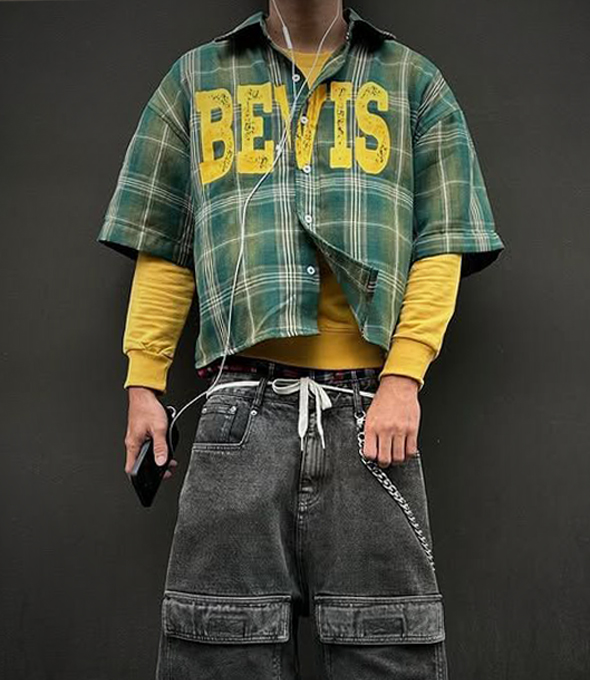 streetwear apparel manufacturers custom streetwear manufacturer premium streetwear manufacturers streetwear clothing manufacturer streetwear apparel manufacturers