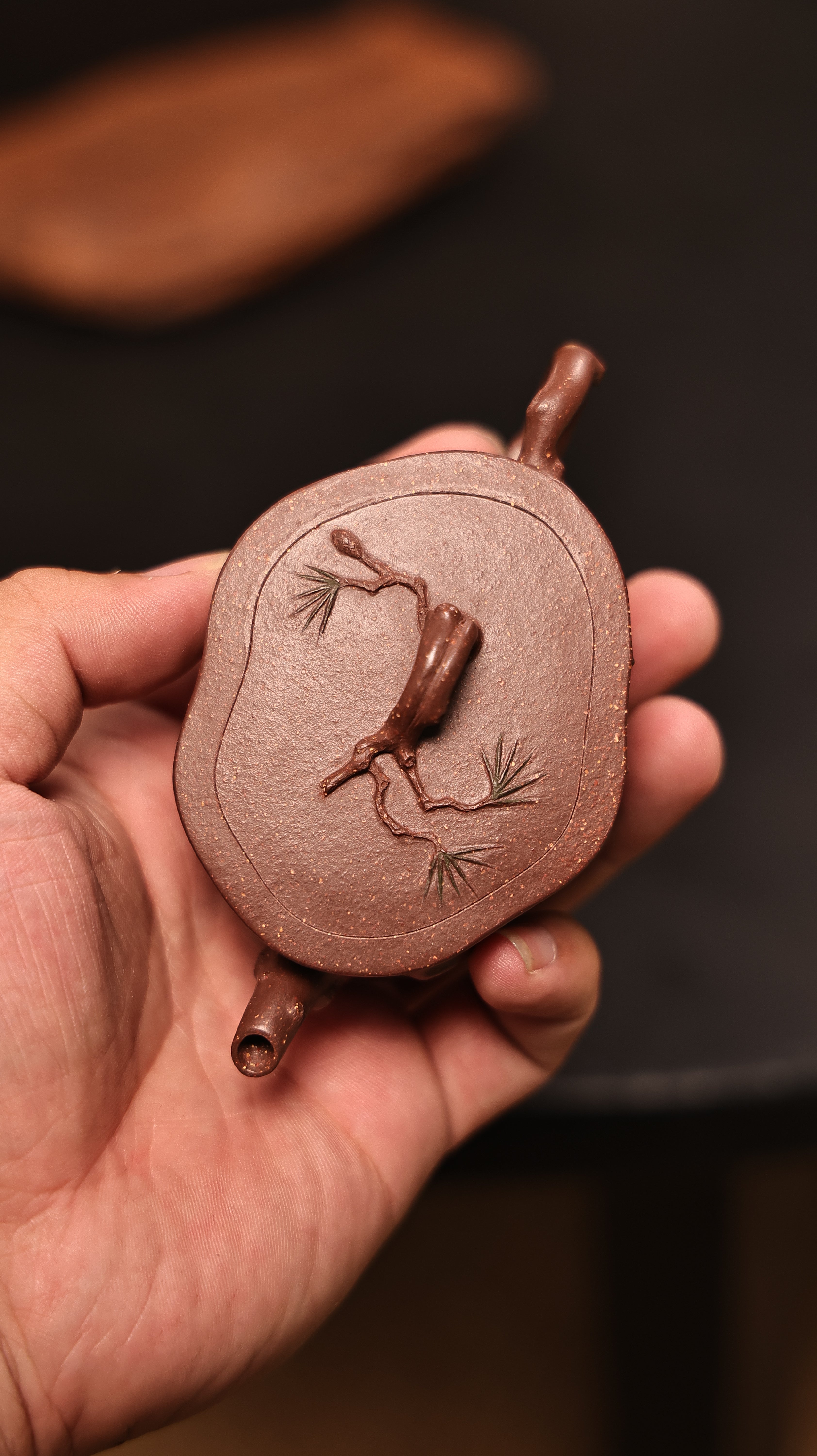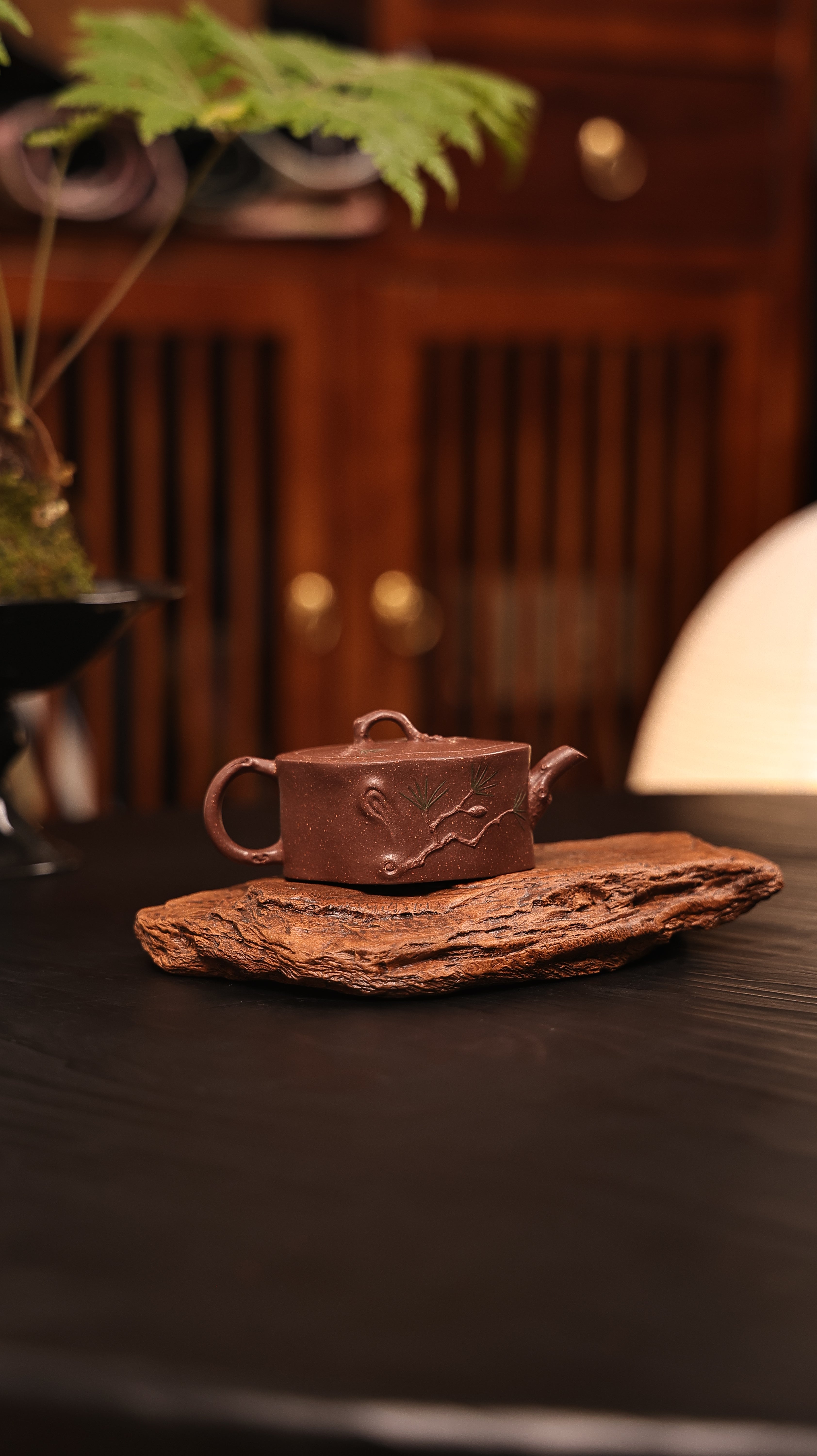
Periods in enthusiasts have yearned the special attraction of Yixing Zisha kettles. Hailing in the quaint town of Yixing, the state, these earthenware are shaped from a unique and quarried purple clay celebrated for its remarkable thermal qualities and capacity to refine the note of extracts. Exceeding their operative worth, Zisha teapots represent a deep artistic heritage, fashioning them notably cherished and a authentic treasure for any committed teapot aficionado.
Investigating Yixing Clay Pots
Famous teapots display a unusual blend of history and seasoned craftsmanship. Existing in Yixing, Jiangsu Locale of China, their narrative commences in the Ming Dynasty, although signs suggest earlier versions. The unique wine-colored clay, called Zisha, found uniquely in the Yixing region, is the key component, contributing to the pots' notable heat holding and the manner they impact the character of tea. Lineages of potters have perfected techniques—often conveyed through families—including forming the clay, applying sophisticated embellishments, and firing the pots at regulated temperatures.- Traditionally, Yixing teapots were often furnished with simple designs.
- Eventually, more ornate carvings and representative motifs became popular.
- The heat application itself is a pivotal element, requiring extended spans of practice.
Accumulating Zisha Teapots: Key Aspects
Setting out on a pursuit to assemble Zisha vessels can be gratifying, but it’s crucial to appreciate what to search for. Authenticity is critical; focus on the clay’s natural tint, a understated reddish-brown is characteristic. Examine the consistency; genuine Zisha has a unique tactile sensation, often characterized as slightly bumpy. The design should be attractive and consistent with traditional styles, while stamps, if present, require scrupulous examination for genuineness. Don’t hold back to consult with professional collectors or trusted experiences – their awareness is priceless.
Oriental Earthenware: Surveying the Tradition of the Yixing Purple Earth
Periods have seen Yixing Rare Clay teapots hold a significant role in Chinese legacy. These skillfully produced pots, sourced solely from the territory of Yixing, are well-known for their peculiar pigmentation, composition, and their Yixing Zisha Teapot ability to improve the flavor of infusions. Countless collectors chase antique Yixing teapots, estimating them significantly not only for their aesthetic magnificence, but also for the legacy they represent.
Yixing Zisha Teapots: Unique Foremost Forms and Their Aspects
Ming Clay teapots, native to the celebrated province of Yixing, the land, are well-known for their remarkable clay and unparalleled brewing characteristics. Amid the different Zisha types, selected types that are highly esteemed include Huiwan. Binzhou, known for its rich purple shade and fine texture, delivers a mild flavor. This Duan Ni variety, recognizable by its orangish color and fairly grainy feel, is assumed to enhance the fullness. Lastly, The Zhuni type boasts an rare maroon tone and can bestow a gentle nuance. Each kind provides a individual experience, bringing them exceptionally desirable for tea enthusiasts.
Perfecting Individual Clay Kettle
To experience the full potential of your Yixing kettle, knowing the correct means is necessary. These clay earthenware, celebrated for their penetrability, will slowly accept the core of the tea you steep within them. Begin by scraping the container thoroughly with warm water. Then, use only excellent full leaf tea, as lower quality options can ruin the item’s delicate aroma. Always allow the leaves to develop completely, and remember that with each brewing, your Yixing urn will become ever appreciated.
Caring for Your Valuable Zisha Collectible
Proper maintenance for your Zisha urn is vital to sustaining its longevity and appreciation. Zisha clay, hailed for its unique nuance and consistency, requires considerate handling. Never use severe substances, as these can affect the film. After every infusion, rinse the pitcher with lukewarm water and allow it to evacuate moisture completely.
- Refrain from soaking the container for extended sessions.
- From time to time use a soft wiping cloth to polish the exterior.
- Deliberate applying a thin layer of food-grade vegetable oil inside the container after drying, which can diminish staining.
Initial Guide to Yixing Clay Pots
Yixing containers, originating from the Yixing province in Jiangsu Province, located in China, are celebrated for their distinctive properties. Fabricated from the unique purple earth known as Zisha, these jars are prized by liquid enthusiasts worldwide. This guide will gently explain the essentials – covering categories of Zisha clay, widespread shapes, and necessary care pointers. Understanding the history of Yixing vessels can broaden your appreciation for this revered example of Mandarin culture.
Skill of Mandarin Containers: Showcasing Zisha from the Yixing region
Zisha earth from this city of Yixing represents the culmination of Eastern jar design, featuring a distinctive mixture of authentic beauty and operational artistry. These notable pieces are acclaimed for their bold pigments, often including profound purples and orange hues to faint greys and muted beiges. The salient mineral composition of the local Zisha soil imparts a characteristic texture and renders a gratifying aroma that richens the total infusion experience, causing them extremely cherished collectibles and necessary components of any serious ritual.