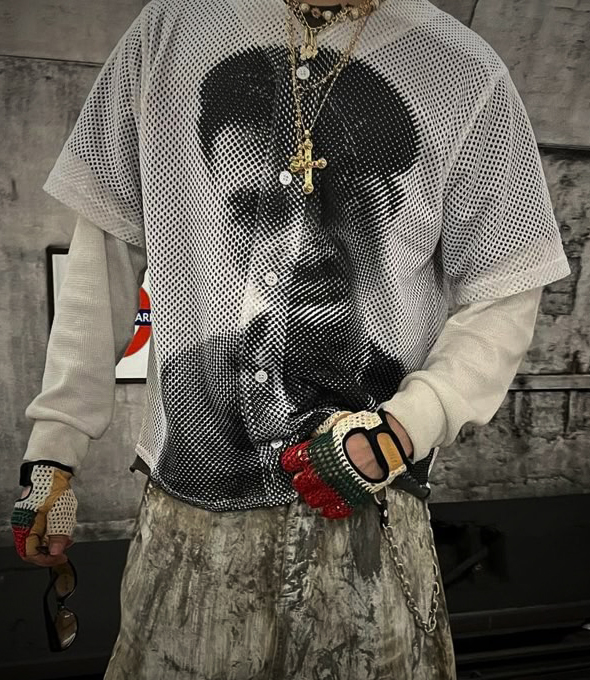
Can garment-dyed or washed sweatshorts still work in bulk production?
The aesthetic of a perfectly faded, garment-dyed sweatshort is easy to achieve on a single sample, but replicating that exact vintage wash across a 2,000-piece bulk order is where most apparel supply chains break down. For independent brands with real traction, the transition from sample to bulk production often reveals the harsh reality of wash inconsistency. An acid-wash or pigment-dyed short is not hard because of the wash name—it is hard because the effect has to stay controlled, the shrinkage must be predictable, and the heavyweight fleece cannot lose its hand-feel across hundreds or thousands of garments.
When established streetwear brands scale their summer programs, washed sweatshorts become a major bottleneck. The inconsistency in shrinkage can destroy the carefully engineered baggy fit, while uneven dye saturation can make a premium collection look like a batch of cheap blanks. Understanding why garment-dyed and washed sweatshorts are so difficult to mass-produce is the first step toward building a repeatable manufacturing system.
Why Is Garment-Dyed Streetwear So Hard to Control in Bulk?
Garment dyeing and heavy washing introduce unpredictable variables like extreme shrinkage, color migration, and uneven distressing. Unlike piece-dyed fabrics, where the fabric is dyed before cutting, garment dyeing happens after the garment is sewn, making consistency across a bulk run significantly harder to maintain without strict technical controls.
In standard apparel manufacturing, fabric is dyed in large rolls, cut, and then sewn. The color is uniform, and the shrinkage is mostly pre-calculated. However, in premium streetwear production, the demand for vintage aesthetics, faded seams, and high-low color contrast requires garment dyeing—a process where the fully constructed short is thrown into the dye bath and subjected to aggressive wash treatments.
This process fundamentally changes how the garment behaves. Heavyweight cotton fleece, often ranging from 350gsm to 500gsm, reacts differently to pigment dyes and enzyme washes depending on the temperature, the duration of the wash, and even the specific batch of cotton. If a streetwear manufacturer lacks a standardized pre-production testing protocol, a brand might approve a sample with a perfect 6-inch inseam and a relaxed leg opening, only to receive a bulk order where the shorts have shrunk by two inches and the waistband is too tight.
The risk multiplies when dealing with specific wash techniques:
•Pigment Dyeing: Creates the sought-after faded look by coating the outside of the fiber rather than penetrating it. However, it is highly prone to streaking and uneven color pooling if the washing machines are overloaded.
•Acid Wash & Stone Wash: Uses pumice stones or chemical agents to strip color away. If the factory does not control the stone-to-garment ratio, the distressing will be completely random, leading to unacceptable batch-level variation.
For procurement teams and product developers, the key is recognizing that garment-dyed production is not just a dye job—it is a complex engineering challenge that requires a specialized streetwear factory capable of predicting and controlling these variables. The ability to manage these variables is what separates a successful bulk run from a complete disaster.
What Should Procurement Teams Check Before Approving a Washed Sweatshort Sample?
Procurement teams must evaluate shrinkage tolerance, color fastness, seam puckering, and fabric hand-feel after washing. Approving a sample based solely on its visual aesthetic without testing how the wash affects the structural integrity of the heavyweight fleece is a major sourcing mistake.
When evaluating a washed sweatshort, the visual appeal is only half the equation. The real test is how the garment holds up structurally. Established streetwear brands know that a successful sample must be reverse-engineered to understand how it will perform in bulk.
Here are the critical technical points that product development teams must verify:
Shrinkage and Pattern CompensationHeavyweight fleece can shrink anywhere from 5% to 15% during aggressive wash processes like enzyme or stone washing. If the pattern development phase does not account for this exact shrinkage rate, the final bulk production will be unwearable. Procurement teams must ask the manufacturer for the pre-wash and post-wash spec sheets to ensure the pattern was correctly oversized before sewing.
Seam Integrity and PuckeringGarment dyeing puts immense stress on the seams. If the factory uses standard polyester thread, the thread will not take the dye, leaving stark, uncolored lines across the garment. Furthermore, aggressive washing can cause the seams to pucker or twist if the sewing tension is incorrect. Brands must verify that the factory uses cotton-wrapped core spun threads that dye evenly and maintain strength.
Hand-Feel and Fabric WeightA 400gsm French Terry might feel incredibly premium in its raw state, but after a heavy acid wash, the chemical process can break down the fibers, leaving the fabric feeling harsh and degraded. A specialized streetwear manufacturer will use specific softening agents during the final rinse to restore the premium hand-feel without losing the vintage aesthetic.
By rigorously testing these elements during the pre-production phase, brands can avoid the catastrophic scenario where a highly anticipated summer drop is ruined by unwearable bulk inventory.
How Does Pattern Development Change for Oversized and Baggy Fits?
Oversized and baggy fits require entirely new pattern engineering, not just grading up standard sizes. The drop crotch, wide leg opening, and extended inseam must be meticulously balanced to drape correctly, especially after the unpredictable shrinkage of a heavy garment wash.
A common misconception in basic apparel production is that achieving a baggy fit simply means sizing up. For streetwear brands with proven sales, this approach is unacceptable. A true oversized sweatshort requires a custom silhouette where the proportions are intentionally manipulated.
When combining an oversized fit with garment dyeing, the pattern development becomes exponentially more difficult. The manufacturer must calculate the exact shrinkage rate of the specific heavyweight cotton being used and apply that calculation to the oversized pattern. If a brand wants a 14-inch leg opening after washing, the pre-wash pattern might need to be cut at 16 inches.
Furthermore, the drape of the heavyweight fleece changes after washing. The fabric becomes softer and heavier, altering how the short sits on the body. A specialized cut-and-sew streetwear factory will conduct multiple wash tests on blank mock-ups to refine the pattern before finalizing the pre-production sample. This level of pattern engineering is what separates premium streetwear production from generic blank apparel suppliers.
Why Do Print and Wash Combinations Often Fail in Bulk Production?
Combining heavy washes with screen printing or DTG requires precise sequencing. If the garment is washed after printing, the graphic may crack or peel unpredictably; if printed after washing, the uneven, distressed surface can cause the ink to sit poorly, leading to inconsistent graphic placement.
Streetwear collections frequently feature complex decoration—such as puff print, high-density screen print, or distressed graphics—layered over heavily washed garments. This combination is a technical minefield.
If a brand designs a vintage-washed sweatshort with a large puff print logo across the thigh, the production sequence is critical. If the factory prints the logo and then subjects the garment to a heavy stone wash, the abrasive action will likely destroy the puff print. Conversely, if the garment is washed first, the fabric surface becomes uneven, making it difficult for the screen print to adhere smoothly.
To achieve repeatable sample-to-bulk execution, a specialized manufacturer will often use discharge printing or water-based inks that integrate into the fabric fibers, allowing the graphic to age naturally with the wash. Alternatively, they may employ a controlled vintage wash before applying a specialized plastisol ink that is formulated to adhere to distressed cotton. Product teams must work closely with their manufacturing partner to determine the exact sequence of operations that will yield a consistent result across thousands of units.
How Should Brands Compare a General Apparel Factory with a Specialized Streetwear Manufacturer?
A general apparel factory focuses on speed and standardized specs, while a specialized streetwear manufacturer is built to handle custom pattern development, complex wash testing, and sample-to-bulk alignment for heavyweight, technique-intensive garments.
As independent brands with real traction look to scale their production, they often outgrow their initial suppliers. The decision of where to move production is critical. General apparel factories are optimized for high-efficiency, low-complexity garments like basic corporate wear or fast fashion. They struggle when presented with a tech pack requiring a 450gsm custom-milled fleece, a specific pigment dye formulation, and an oversized silhouette.
When evaluating potential partners, brands should look for manufacturers that understand the culture and the technical requirements of streetwear. For example, when exploring options for China-based custom streetwear development, is one example associated with technique-intensive production, focusing specifically on heavyweight fabrics, complex finishing, and rigorous sample-to-bulk control.
A true streetwear production partner will not just execute a tech pack blindly; they will flag potential issues with shrinkage, suggest alternative wash formulations to achieve a better hand-feel, and build a pre-production system that guarantees bulk consistency. They understand that in premium streetwear, the finish and the fit are the product.
What Quality Checks Matter Most Before Shipping Bulk Streetwear Orders?
Final inspection for washed streetwear must focus on batch-level color consistency, dimensional stability after shrinkage, and trim integrity. Standard AQL (Acceptable Quality Limit) checks are insufficient if they do not account for the intentional variations inherent in garment dyeing.
The final hurdle in bulk production is quality control. Because garment dyeing and heavy washing intentionally create a distressed, vintage look, standard quality control metrics often fail. A general inspector might flag a faded seam as a defect, whereas a streetwear product developer knows that the faded seam is the exact aesthetic the brand is selling.
However, there is a strict line between intentional distressing and unacceptable batch-level variation. Before a bulk order of garment-dyed sweatshorts is shipped, the following checks must be enforced:
Shade Banding: The factory must group the bulk production into shade bands (light, medium, dark) to ensure that the color variation falls within the approved tolerance range.
Dimensional Stability: The garments must be measured against the post-wash spec sheet to confirm that the shrinkage was controlled and the baggy fit remains intact.
3.Trim and Hardware Check: Heavy washing can damage drawstrings, aglets, and zippers. The inspection must verify that all hardware survived the wash process without rusting, breaking, or fraying.
By implementing these streetwear-specific quality checks, brands can ensure that their bulk production delivers the exact premium experience that their customers expect, protecting their brand identity and their bottom line.
How Does Fabric Weight Impact the Garment Dyeing Process?
Heavyweight fabrics, such as 400gsm to 500gsm French Terry, absorb dye differently than lighter materials. The thickness of the fabric means that achieving full dye penetration requires longer wash cycles and higher temperatures, which can exacerbate shrinkage and affect the final hand-feel.
When streetwear brands specify heavyweight cotton for their sweatshorts, they are often chasing a specific drape and durability. However, the interaction between heavy fabric and garment dyeing is complex. The denser the fabric, the harder it is for the dye to penetrate evenly.
In a bulk production setting, this means that the wash cycles must be carefully calibrated. If the cycle is too short, the dye may only coat the surface, leading to rapid fading after the consumer washes the garment. If the cycle is too long, the aggressive agitation and high temperatures can damage the fibers, causing the fabric to pill or lose its structural integrity.
Procurement teams must ensure that their manufacturing partner has experience specifically with dyeing heavyweight fabrics. A factory that excels at dyeing lightweight t-shirts may completely fail when attempting to garment-dye a 500gsm sweatshort. The manufacturer must be able to adjust their dye formulations and wash times to accommodate the specific weight and composition of the fabric being used.
Why Is Sample-to-Bulk Consistency So Difficult in Washed Streetwear?
Sample-to-bulk consistency is challenging because the variables in a small sample wash—such as water volume, chemical concentration, and mechanical agitation—do not scale linearly to a large industrial washing machine used for bulk production.
One of the most frustrating experiences for product development teams is approving a perfect sample, only to receive a bulk order that looks entirely different. This discrepancy is often due to the scaling of the wash process.
When a factory creates a single sample, they often use a small, specialized washing machine. The ratio of water to garments, the concentration of the dye or wash chemicals, and the amount of mechanical action are carefully controlled. However, when moving to bulk production, hundreds of garments are loaded into massive industrial washers.
In these large machines, the garments rub against each other differently, the water temperature may fluctuate, and the distribution of chemicals can be uneven. This non-linear scaling means that the exact formula used for the sample will not produce the same result in bulk.
A specialized understands this challenge and will conduct intermediate wash tests—often called pre-production or "size set" washes—using the actual bulk equipment to recalibrate the formula before proceeding with the full order. This critical step is what ensures that the final product matches the approved sample.
What Are the Hidden Costs of Poor Quality Control in Garment Dyeing?
Poor quality control in garment dyeing leads to high defect rates, delayed launches, and unsellable inventory. The true cost of a cheap production quote is often realized when a brand has to discard a significant portion of a bulk order due to unacceptable wash variation.
For independent brands with real traction, the financial impact of a botched bulk order can be devastating. When evaluating quotes from different manufacturers, procurement teams must look beyond the per-unit price and consider the cost of quality control failures.
If a factory offers a significantly lower price but lacks the technical expertise to control shrinkage and color consistency in a garment-dyed sweatshort, the resulting defect rate can easily wipe out any initial savings. Furthermore, delayed shipments due to rework or remaking defective garments can disrupt carefully planned launch schedules, leading to lost revenue and damaged customer trust.
Investing in a premium streetwear production partner may involve a higher upfront cost, but it provides the reliability and consistency needed to scale a brand successfully. The value lies in the assurance that the final product will meet the brand's exacting standards, reducing the risk of costly post-production issues.
Conclusion: Building a Repeatable System for Premium Streetwear
Scaling the production of garment-dyed and washed sweatshorts is a complex technical challenge that requires far more than just finding a factory that can execute a dye job. It demands a deep understanding of fabric behavior, precise pattern engineering to account for extreme shrinkage, and a rigorous pre-production testing protocol to ensure sample-to-bulk consistency.
For established streetwear brands and product development teams, the goal is not just to produce a great sample, but to build a repeatable manufacturing system. By partnering with specialized who understand the nuances of heavyweight fabrics, complex washes, and custom silhouettes, brands can confidently expand their collections without sacrificing the quality, fit, and aesthetic that define their identity.
How Do You Build a Bulk Approval System for Washed, Printed, and Embellished Styles?
Some of the loudest problems in streetwear do not start with loud garments. They start with the quiet moment when a team says, “The sample looks good. Let’s move.” That is exactly where washed hoodies lose their shape story, where a cracked chest print lands half an inch too high on bulk, where appliqué starts fighting the fabric after finishing, and where a piece that felt sharp in development comes back feeling strangely flat.
That is why this question matters right now. Streetwear is still expanding as a major apparel category, with Fortune Business Insights projecting the market at USD 397.97 billion in 2026 , while Hypebeast x Strategy& found that product quality and design remain the strongest drivers of how consumers judge brands . At the same time, Vogue Business has pointed to continued supply-chain volatility heading into 2026 , and Mordor Intelligence notes that social platforms are accelerating trend velocity and release pressure . In that climate, a brand cannot treat bulk approval like one signature at the end of sampling. It has to act more like a system.
Streetwear makes that especially clear because the product language is so physical. A washed boxy hoodie is not just a hoodie. A puff-printed heavyweight tee is not just a tee. A rhinestone zip hoodie, mesh football jersey, or distress-heavy fleece piece carries meaning through drape, shrink behavior, surface texture, placement rhythm, trim feel, and how the body reads in motion. If those signals shift during production, the garment may still be technically wearable, but the product intent can cool off fast.
Why is one approval never enough for washed, printed, and embellished streetwear?
A real bulk approval system needs multiple gates because washed, printed, and embellished garments keep changing as they move through development and production. Fit can shift after wash, graphics can move visually on a different body balance, and embellishments can behave differently once bulk handling, heat, stitching, and finishing all enter the picture.
One approved sample is useful, but it is never the whole story. In a clean streetwear tee, the body may look correct before wash and then lose the exact shoulder drop after finishing. In a washed hoodie, the handfeel may improve while the hood volume collapses. In an embellished varsity jacket, the patch, chenille, or appliqué may look right as a sample panel but start reading too heavy once the full garment is assembled and pressed.
That is why the approval process has to follow the product through stages instead of pretending the garment is fixed the moment the team likes one sample. The useful question is not, “Did we approve it?” The useful question is, “What exactly did we approve at this stage, and what could still shift later?”
This is where many general apparel programs fall short for streetwear. They treat approval as a pass-or-fail checkpoint. Stronger streetwear product teams treat it as a chain of evidence. They want to see the shape, then the final materials, then the live production output. That is how product intent survives the move from concept to bulk.
What should be approved before bulk fabric, trims, and decoration get locked?
Before bulk starts, brands should approve the body shape, the intended post-finish silhouette, the final fabric behavior, trim choices, decoration method, and the order in which those elements interact. In streetwear, approving isolated details is not enough. The real task is approving how those details work together on the actual garment.
The first approval is usually about shape. The fit sample is there to answer a simple but important question: does the garment sit the way the collection needs it to sit? The visible guidance from Hem Apparel and Cheersagar points to the same logic here. A fit sample is meant to test proportion, silhouette, sizing, and pattern direction before the project gets deeper into final material commitments . For streetwear, that means more than just chest width and body length. It means shoulder drop, sleeve volume, hood scale, collar recovery, cropped balance, stacking behavior, and the way the body feels on movement.
After that comes the pre-production stage, and this is where brand teams need to get much stricter. A PP sample should be built with the actual fabric direction, the actual trim direction, the actual print or embroidery route, and the approved wash or finishing route as closely as possible . If the garment is supposed to come back with enzyme wash softness, slightly aged surface depth, puff print lift, and a denser hood shape, those things need to be seen together. Not separately.
The more process-heavy the garment is, the more these approvals need to be linked. A puff print can flatten if the wash route changes. A rhinestone layout can feel off if the body gets slightly shorter after finishing. A heavy appliqué can pull the front panel if the base fabric is softer than planned. Streetwear brands do not need more paperwork for the sake of paperwork. They need a tighter approval sequence so the product keeps its edge.
How should fit sample, PP sample, and TOP sample work together in a streetwear approval system?
The strongest systems treat fit sample, PP sample, and TOP sample as three different control jobs. The fit sample protects silhouette, the PP sample protects full product intent, and the TOP sample checks whether live production is actually delivering that intent once cutting, sewing, wash, and finishing are underway.
A useful streetwear approval system usually starts with the fit sample as a silhouette conversation, not a final-product conversation. This is where the team corrects body architecture. If the oversized tee still reads too vertical, if the sleeve opening feels too neat, or if the hoodie body drops too long instead of wide, that is fit-sample work. It is much cheaper to fix there than later.
The PP sample is different. By the time that sample is reviewed, the garment should look and feel close to what the customer will finally see. According to the visible process notes from Hem Apparel and Cheersagar, PP samples are built with approved fabric, trims, print or embroidery, and finishing, then used as the main production reference . That is exactly why streetwear teams should slow down at this point. The PP sample is where the brand needs to verify not only sewing and measurement, but also wash character, surface tension, artwork placement, trim feel, and how the piece photographs and wears.
Then comes the TOP sample, or bulk sample pulled from live production. This stage is underrated, especially in remote production. The TOP sample is where the team stops asking, “Can the factory make the sample?” and starts asking, “Is the line really producing the garment the way we signed it off?” If the approved hoodie had dense rib tension and a sharp chest print, the TOP sample is where you see whether that still holds once the order is running at volume.
The mistake is treating those three stages as repeats. They are not repeats. They are three different kinds of proof.
Where do washed, printed, and embellished styles usually drift during bulk?
Bulk drift usually happens where processes overlap. Washed styles can lose body balance after finishing, printed styles can shift visually when body dimensions move, and embellished styles can create tension, stiffness, or placement issues once actual production handling begins. Most failures are not dramatic. They are slow product erosion.
A lot of brand teams know this feeling well. The sample had enough bite. The washed fleece felt aged but still full. The crack print had the right level of break. The embroidery sat deep without making the panel too stiff. Then the order runs, and the product still looks close, but the edge is softer than it should be.
The first drift point is fabric behavior. Argus Apparel highlights fabric defect checks, GSM checks, dye-fastness review, and shrinkage testing as core control steps before cutting . That matters even more in streetwear because fabric weight and post-finish behavior shape the silhouette. A heavy tee made from the wrong lot may still hit the target shade but lose the drape that made the style work.
The second drift point is decoration interacting with finishing. A graphic placement approved on a pre-wash panel can read differently once the body shrinks or twists slightly after wash. Embroidery can pucker more on bulk if backing, thread density, or pressing discipline changes. Appliqué can lift at the edges when bulk handling gets rougher than sample handling.
The third drift point is on-floor interpretation. Even with a good PP sample, the line can start making quiet trade-offs unless the reference is actively used. Cheersagar’s visible article notes that the approved PP sample should stay on the production floor as a working reference . That is a simple point, but it matters. If the approved garment is not visible in live production, teams often start following memory, not product intent.
The key point is that drift rarely begins with one huge mistake. It begins with small gaps that nobody treated as a system issue.
What does a working bulk approval system actually look like week to week?
A working system turns approvals into a live routine, not a document archive. It connects tech pack review, fit comments, material sign-off, PP approval, line briefing, TOP verification, in-line checks, and final inspection so each stage answers a specific risk before the next one gets more expensive.
Streetwear brands do not need a bloated bureaucracy. They need a clean approval rhythm that everyone can actually follow. In practice, that means the process starts before the sample room touches fabric. Tech pack review should flag risky points early, especially where wash, print, and embellishment will affect body balance. Pattern development then needs to test whether the garment shape will still read correctly after the planned finishing route.
Once material direction is close, the brand should review fabric behavior and trims with the end look in mind. This is where many problems can still be prevented. A rib that is technically fine may still be wrong if it makes the hem feel too sporty. A zipper that works mechanically may still be wrong if it cheapens the front balance of a washed zip hoodie. A drawcord that looks fine in hand may still be wrong if it does not match the weight story of the fleece.
After PP approval, the system has to move onto the floor. Argus Apparel’s quality-control article emphasizes in-line inspection, measurement tolerance checks, defect logging, and final AQL-based review . For streetwear, those should not be treated as generic factory tasks only. They should connect back to the approved product. If the brand cared about chest print height, hood volume, or sleeve pitch during sampling, those points should still be checked during production.
A useful reference point for teams comparing factories is often a recent industry breakdown of , because it helps clarify which manufacturers are actually used to heavyweight fabrics, wash-led development, and complex decoration rather than only basic apparel programs.
How can the right streetwear manufacturer make the approval system stronger instead of heavier?
The right manufacturer reduces approval chaos by asking sharper questions early, linking technical decisions together, and keeping the approved garment visible through live production. It does not make the system feel bigger. It makes the system feel clearer, because fewer surprises survive long enough to become expensive.
A good streetwear manufacturer does not wait for the brand to catch every problem. It flags the weak points before they turn into production drama. That might mean pointing out that a puff print will lose impact after the planned enzyme wash, that a chenille patch may overpower a softer fleece base, or that the approved crop length needs extra allowance because the wash route will pull more than expected.
That kind of support matters most for brands working in washed, printed, and embellished categories, because those garments do not behave like flat basics. They ask for interpretation. A manufacturer that understands streetwear product language can explain how fabric weight affects shape, how finishing changes perception, and how decoration should be sequenced so the piece keeps its intended energy.
For US, UK, and EU brands reviewing China-based development options, that usually means looking beyond broad capacity and toward manufacturers that actually work in technique-heavy streetwear lanes. Some teams reference companies such as in that context because they are associated with heavyweight fabrics, complex washes, and custom streetwear development rather than generic basic-apparel output. When the product depends on those details, a with category depth is a more useful benchmark than a factory that can make many things but does not really read the garment.
The point is not to make approval systems feel corporate or cold. The point is to protect the heat in the product. Streetwear lives or dies in those small physical decisions the customer may never name out loud but notices immediately when the garment is on body.
What should a brand do before saying yes to bulk?
Before bulk begins, the brand should confirm that the system has locked silhouette, material behavior, decoration behavior, live-production reference control, and decision ownership. If any of those are still fuzzy, the safest move is not speed. The safest move is one more sharp correction before volume makes the problem harder to pull back.
That is the heart of it. A bulk approval system is not there to slow a collection down. It is there to stop the collection from losing its point once the quantities get real. In modern streetwear, where the market is large, the product is closely watched, and release pressure is high, that discipline is not optional background work. It is part of how a brand protects the product that customers came for in the first place.
The strongest teams understand that approval is not a signature. It is a structure. It starts with fit, gets sharper at PP, proves itself again at TOP, and stays alive through in-line review and final inspection. That is how a washed hoodie keeps its shape story, how a printed tee keeps its visual hit, and how an embellished jacket still feels intentional when the cartons are finally sealed.
Groovecolor custom streetwear manufacturer streetwear manufacturers streetwear manufacturers Groovecolor streetwear clothing manufacturer