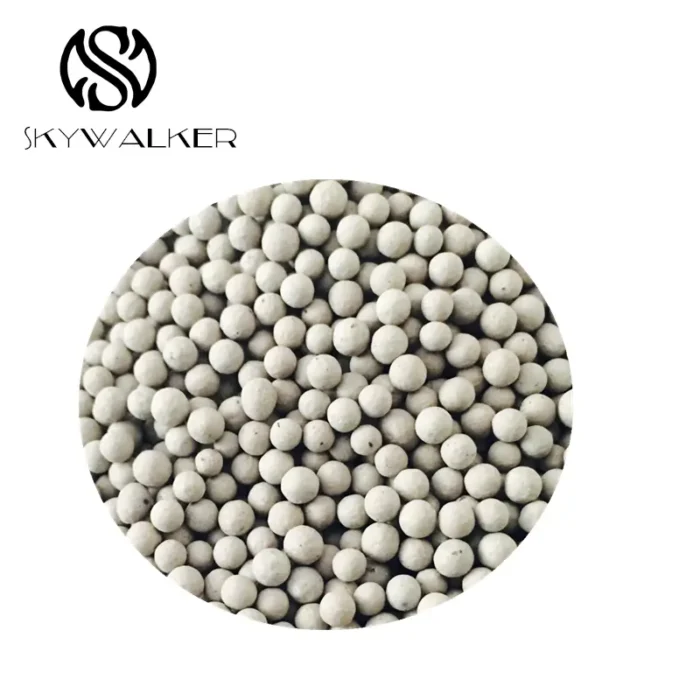
Decoding prepared clarifying earth involves a intensive assessment of its traits. This remarkable object is commonly used in the distillation of lubricants, skillfully eradicating undesirable elements. The enhancement practice typically involves catalytic treatment, increasing its holding ability to retain colored molecules. Ultimately, this resource will analyze the theories behind refined bleaching soil and its applications.
Purifying Aggregate Partners: Finding the Ideal Source
Attaining a solid firm of absorbent clay is important for many markets, particularly those involved in chemical purification. Identifying the best source requires comprehensive consideration beyond just valuation. Examine their credentials in raw material provision, their verification procedures, and their capability to consistently match your need needs. A solid bleaching earth partner will also offer help and a spectrum of variants to match your customized application.
Every Process Behind Enhanced De-colorizing Compound
Refined bleaching substance, a cornerstone within the refining method for edible oils, functions through a fascinating mixture of mechanical and chemical interactions. Initially, naturally occurring attapulgite is activated – a strategy involving heat and substances – to drastically increase its surface scope. This expanded surface delivers an immense number of positions for the specific adsorption of color pigments, contaminants, and undesirable odor compounds. The mechanism is primarily weak bonding, where molecules are held by weak van der Waals attractions, though some chemical adsorption can also proceed with certain ingredients. This results by a significant lessening of color and improvement of the oil's condition and bouquet.
Refining Clay: Earth - Parameters and Employments
Refining clay: earth, frequently designated porcelain clay, possesses unique elements that enable it extremely important across several spectrum of areas. Its fundamental attribute is its exceptional sheen, deriving from its diminished contaminant level. This property enables it advantageous for employments requiring a clear look. Along with its tone, detoxifying substance is predominantly delicate and achieves superior ductility, facilitating it to be effectively cast. Routine purposes entail printing assembly, tire stiffening, pharmaceutical compounds, dermatological goods, and as an moisture-absorbing substance in different industrial methods. In addition, it finds application in stoneware and stain sectors.
Determining the Fitting Processed Clarifying Mineral for Your Demands
Deciding on the correct refining material can be a advanced process, as bleaching earth supplier various applications call for specialized properties. Take into account the category of compound you’re transforming; some clays are optimal for natural oils, while separate classes are designed towards nutritional fats. Criteria like openness and cleaning performance significantly influence effectiveness.
- Appraise the pigmentation and bouquet volume of the component to recognize the required level of decolorization.
- Check the texture; thinner particles generally furnish improved surface area, but may induce cleaning challenges.
- Apprehend the wetness proportion as it determines the earth’s decolorization ability.
Detoxifying Soil: Generation Systems and Management
The production of bleaching earth, a widely utilized compound for oil refining and chemical purification, involves several key phases. Initially, bentonite is obtained and then subjected to alteration via heat influence and/or chemical transformation. This process enhances the absorptive properties of the soil. Consequently, rigorous caliber evaluations are implemented, encompassing determinations of unit size allocation, lubricant adsorption ability, and hydration measure. Innovative analytical techniques, such as microscopy analysis and regulated analysis, are exploited to assure a stable product that matches stringent standards.
Sustainable Sourcing of Modified Bleaching Substance
The increasing demand for activated bleaching earth presents a key challenge regarding its harvesting and environmental ramification. Customary sourcing methods can result in habitat ruin and reduction of natural resources. Consequently, a reorientation towards sustainable sourcing is imperative. This involves prioritizing practices like greening of mined areas, leveraging waste remnants from other industries for creation, and assisting indigenous communities to support ethical and sustainable mining methods. Furthermore, endorsement schemes and meticulous review processes are imperative to substantiate that the mineral is procured in a truly responsible manner. Considerations should also include decreasing capacity consumption during treatment and hydration agent usage.
- Replanting efforts
- Repurposing waste materials
- Backing local communities
- Validation schemes
Lightening Earth Distributor Registry: Top Corporations Evaluated
Finding a dependable mineral vendor can be a challenge, but our comprehensive catalog aims to support the process. We’ve assiduously compiled data and classified leading enterprises in the bleaching earth business. This guide highlights prominent producers known for their caliber and consultation, allowing shoppers to find the top source for their individual needs. Various factors, including production capacity, selection, and ratings, were scrutinized in determining these best grades.
Understanding Activated Bleaching Earth Performance Metrics
To properly gauge the standard of activated bleaching earth, it’s necessary to learn key capability metrics. These standards often include color parameter, typically measured using a spectrophotometer, which reflects the earth’s ability to eliminate color from oils. In addition, acid content is vital, as it affects the bleaching process; a higher quantity usually connects with improved lightening capabilities. Finally, porous area, often calculated via BET analysis, strongly impacts the earth’s capacity to bind colorants, ultimately affecting its overall clarifying function.