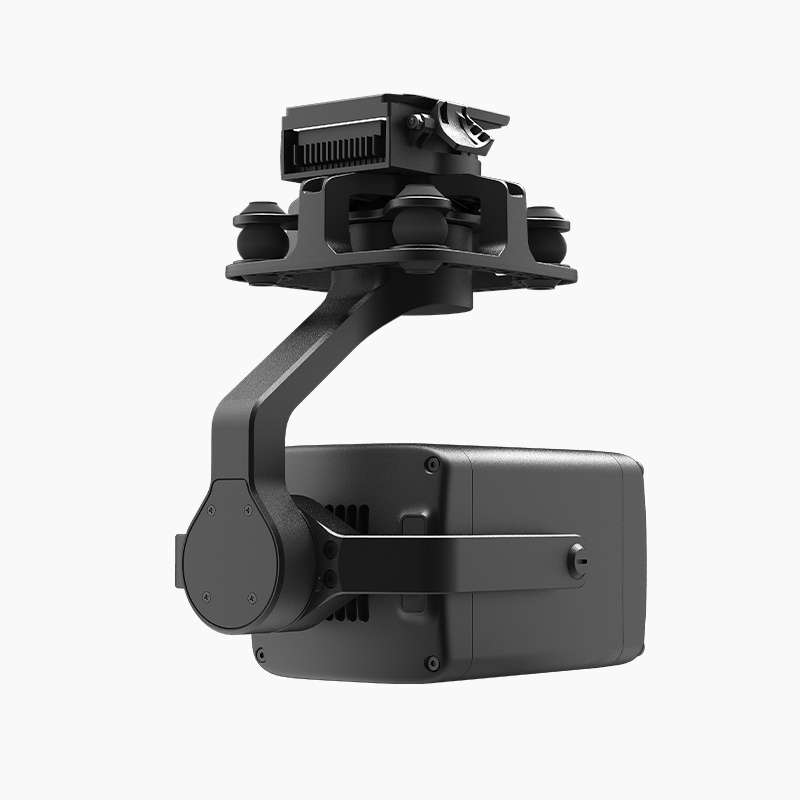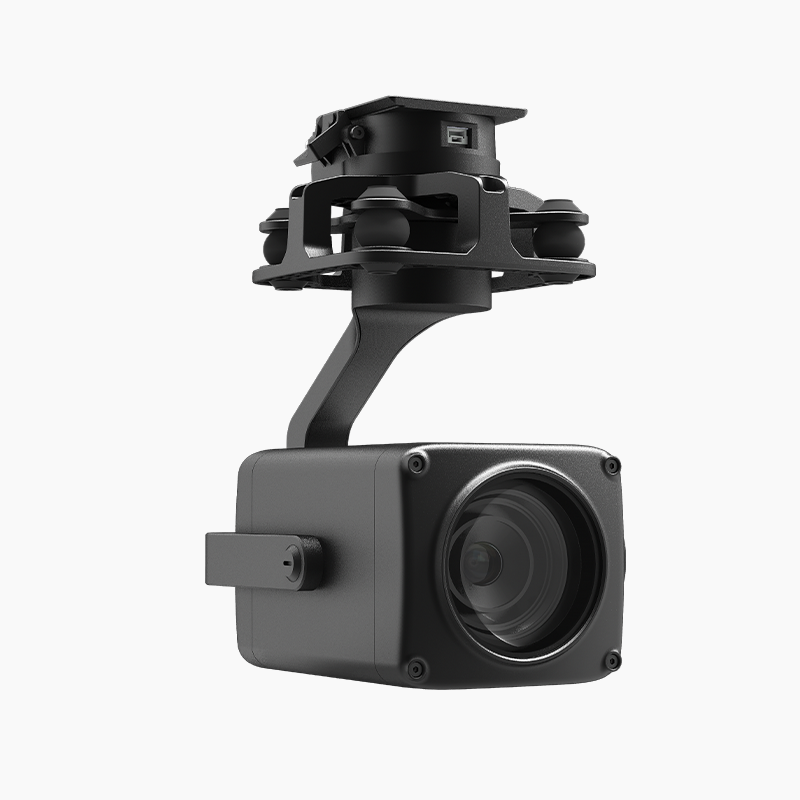
Welcome concerning certain all-encompassing summary on balancing techniques together with heat-detecting sensing through drone devices.
Dampener Features regarding Autonomous Drone Imaging Enhancements
Aerial systems are experiencing remarkable developments in camera equipment. Complex gimbal systems now provide incredibly seamless footage, while facing turbulent conditions. Furthermore, the inclusion of thermal sensors offers unique opportunities for observation in fields like agriculture, delivering valuable insights beyond what normal light cameras can get. These blended technologies are considerably modifying the territory of aerial shooting.
Zooming into the Darkness: UAV Optics with Low-Light & Mounting Solutions
The current landscape of unmanned aerial vehicles is being transformed by advancements in camera features. Uniquely, the combination of night vision methods and cutting-edge gimbal supports allows for unprecedented perception during nighttime tasks. These potent cameras, often utilizing infrared monitoring, can transcend darkness, providing crucial metrics for defense purposes. Besides, the gimbal mechanism consistently minimizes shakiness, resulting in exceptionally stable footage even in complicated conditions. Points like detail and tempo are progressively necessary for ideal performance.
- Expanded Circumstantial Insight
- Enlarged Distance of Operation
- Specific Records Compilation
Unmanned Aircraft Camera Analysis: Dampening, Thermographic Observation, Variable Focus & Night Sight
Selecting the suitable drone camera represents a intricate assessment. Weigh the multiple kinds available: fixed systems grant smooth, superior footage; radiometric cameras stand out in dark conditions by detecting heat signals; magnifying lenses allow you to expand distant subjects; and evening vision technologies utilize specialized platforms to get imagery in tight light. The most suitable blend is subject to the targeted task.
That Next of Autonomous Imaging Platforms: Merging Infrared-Based & Dark Sensing
Typically, Remote-Controlled systems dedicated on standard light observation. But, progressive applications in areas especially surveillance & emergency entail expanded input information. Employing thermal sensors alongside low-light vision abilities grants operators a substantial asset, allowing professionals to recognize objects concealed from standard light. That collaboration significantly expands tactical potency uav gimbal across a broad array of functions.Steadiness Integrity Amalgamates with Thermal Vision: A Revolutionary Era for UAV Imaging
Certain modern epoch concerning robotic monitoring has, powered via that collaboration connecting cutting-edge stabilization platforms combined with accurate infrared-based recording. One synergy enables users with obtain higher quality thermal details using flying devices, although complex climatic factors, disclosing new advantages between distinct areas namely assessment, aid as well as precision crop production.
Flying System Camera Telephoto Capabilities: Harmonizing Length & Twilight Observation
Advancements in Pilotless Device technology are constantly upgrading camera range extension performance, but a key challenge involves harmonizing distance and gloom sight. Extending your focus adjustment to record distant objects often compromises shine sensitivity, bringing about clear gloomy perception difficult. Builders are studying advanced approaches, like advanced visual blueprints and processing enhancements, to diminish noted compromise and extend crisp imagery at different distances, even under insufficient radiance conditions.
Opting for your Preferred UAV Recording System: Mount, Heat-Sensing, & Focal Adjustment Factors
Once opting for specific UAV recording unit, multiple fundamental elements are essential to be analyzed. A reliable stabilization system is indispensable for clear aviation imaging , largely in breezy atmospheres. Temperature instruments allow critical information for operations like monitoring and relief responses. Finally, telephoto capability capabilities grant magnified perspectives of features, though amplified close-up lens usually leads to reduced photographic focus and necessitates extra glow.
{Night Vision UAV Cameras: Superior Defense with Steadiness Assistance
Cutting-edge unmanned aerial vehicles are reshaping security engagements with the incorporation of night vision instruments. Decisively, gimbal stabilization ensures exceptional consistency for the observation system, permitting clear film even in adverse conditions or during maneuvering. This quality greatly enhances observation capability and furnishes a fundamental advantage for security personnel and additional firms requiring stable nighttime inspection.
Modern Robotic Camera Platforms: Integrating Variable Temperature & Twilight Perception
Modern remote-controlled systems are frequently equipped with top-tier camera platforms that outstrip basic detection. These novel solutions usually embed a conflation of potent technologies, made up of variable focus capabilities for thorough inspection, thermographic imaging to locate heat traces, and low-light vision capabilities to allow operation in difficult lighting conditions. This synergy provides pilots with a key lead in several areas, from crisis management to facility evaluation and safety inspection.