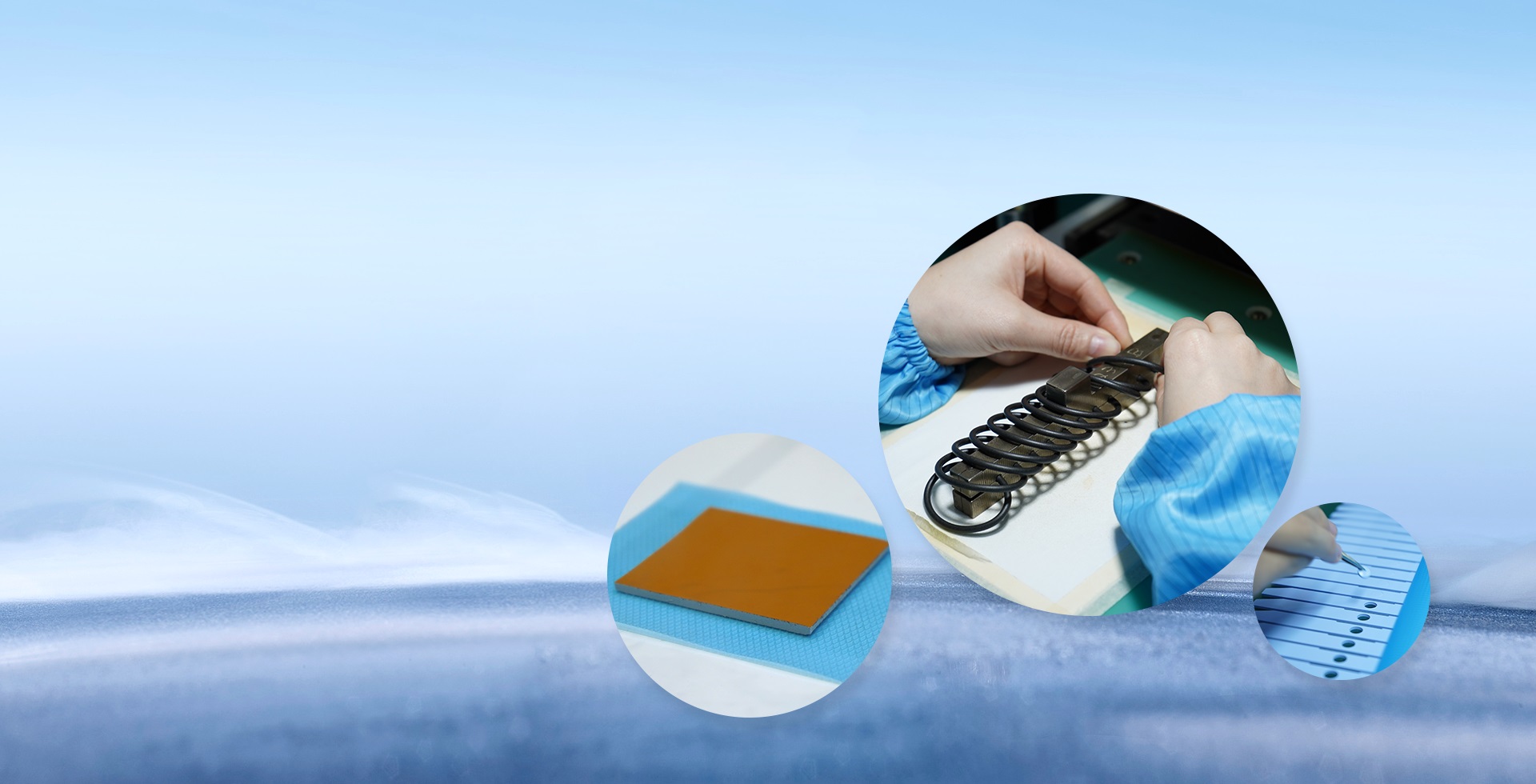
Introducing the present exposition features information about silicone compound and electrically conductive silver-loaded elastomer pads with regard to electromagnetic shielding mitigation.
Silicone rubber compounds are prevalently used toward flexible purposes as a result of their excellent strength and environmental resistance. Though, their fundamental deficiency of electrical transmission reduces the effectiveness in certain device-oriented implementations.
The inclusion of metallic nanometric inclusions, especially metallic silver mixed amid the silicone polymer, builds a combined effect leading to a conductive network system capable of high-performance radio frequency shielding.
The described techniques enable modules to resist interfering electromagnetic pollution.
Encapsulating Circuit Devices: One Function of Siloxane Polymers and Shielding Closures
Efficient coating of electronic modules is paramount in extreme settings. Polymers, with its unmatched conformability and molecular resistance, delivers high-quality moisture seal traits. However for deployments expecting shielded efficiency, current conducting seals, often produced from electron conducting formulations, stand as required essential to avoid radio disruption and secure steady running. This combination of Polymers coupled with charge transporting closures represents a comprehensive solution in attaining secure efficiency in cutting-edge circuitry.
Electrical Attenuation Barriers: Elevating Reliability with Current flowing Silver-based Rubber and polydimethylsiloxane
{Reliable EMC disruption mitigation gaskets are critical for protecting sensitive electronic components and arrangements from unwanted discharged directed noise. Innovative designs often include a blend of conductive Silicone SR and PDMS to achieve optimal performance. Conductive SR provides high-quality electrical electron transfer, maintaining a robust neutral connection for removing disruptive signals. Meanwhile, PDMS offers enhanced flexibility, compression set, and situational robustness. Detailed material picking and stacking techniques, such as a thin layer of SR within a PDMS matrix, increase both shielding functionality and sustained dependability.
- Weigh assorted material mixtures based on purpose conditions
- Confirm precise encasing load for persistent contact
- Assess seals continuously to support functionality
The synergistic technique results in EMI barriers that supply matchless protection and longevity.
Dimethyl polysiloxane Electronically active SR Closures: Securing Electronics from Interference
Regarding important digital parts, EMC background might demonstrate deleterious effects, leading into defects plus signal alteration. Silicone elastomer electron-conducting silver-infused rubber closures provide effective reliable option through supplying an optimal screen versus analogous impediments. The interfaces, typically manufactured built from silicone rubber substance interspersed with charge-conducting components, create the low-resistance path for common, removing electromagnetic interference including radiation signal frequency interference field. Those elastic structure guarantees effective solid umbrella also upon variable grounds, allowing such membranes ideal within cases targeting medical devices, data transmission facilities, coupled with assorted mechanical conditions. Utilizing a Polydimethylsiloxane electronically active silver-infused rubber pad functions as unique precautionary approach aimed at secure setup wholeness with secure active durability.
Enhancing Electrical Component Sealing with Silicone Elastomer-Based Electromagnetic Interference Shielding
Powerful system module shielding presents a key obstacle in current construction due to expanding EMI pollution. PDMS enables a novel method when combined with current-conducting elements to establish secure EMI shielding platforms. This approach not only boosts device productivity but also decreases such likelihood of decline arising from external electrical noise issues.
Metallic SR Optimization in PDMS Membranes for Better EMI Reduction
Cutting-edge seals fabricated from polydimethylsiloxane (PDMS), incorporating electronically conductive fillers, demonstrate significantly improved attenuation capabilities against electromagnetic interference (EMI). The joining of elements like carbon nanotubes or nickel residues provides a route for electron movement transfer, thereby creating a more solid electromagnetic barrier. This charge-transporting enhancement in gasket capacity is critical for critical electronic elements requiring exceptional EMI blocking in various applications. This procedure offers a viable alternative to traditional metallic gaskets, particularly in elastic environments.
Identifying the Right EMI Suppression Gasket: PDMS vs. Conductive SR Selections
Picking adequate radio suppression membranes calls for rigorous assessment of numerous points. Frequently, electron-conducting Silicone Rubber (SR) has existed as a prevailing selection; however, Polydimethyl Siloxane elastomer (PDMSO) comes forth as a useful replacement, notably where deformation heights are constrained or matrix cooperation is critical. PDMSO extends exemplary adaptability and may support contracted extents, though preserving fine attenuation output.
Leading-edge Sealing Technologies: Siloxane, Electronically active Silver composite elastomer, and High-tech systems Protection
Cutting-edge encapsulation methods are fluorosilicone manufacturer critically necessary for protecting fragile technological systems. silicone polymer, with its noteworthy compliance and elemental stability, supplies outstanding atmospheric protections. Besides, electronically active silicone compound facilitates electrical discharge, avoiding electrostatic accident cases. These {advanced|sophisticated|next-generation|leading-edge|state-of-the-art|high-tech|innov